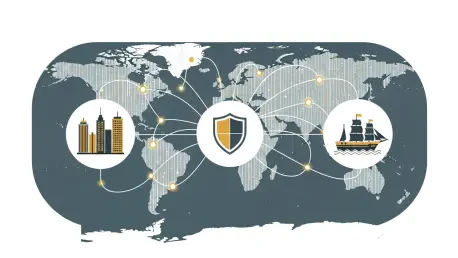

The traditional architecture of international finance is currently undergoing a radical transformation as sophisticated artificial intelligence begins to replace the cumbersome manual workflows that have long defined global wealth management. Platforms are now emerging to serve a specific segment of the market that has been historically ignored by the monolithic institutions of the past. These AI-native systems are not merely updating old software but are instead building entirely new financial rails that prioritize speed and accessibility.
This shift represents a departure from the high-touch, slow-response model of legacy banking toward an automated, high-precision environment. By focusing on the middle-market segment, these new players are capturing the loyalty of business owners who operate far from traditional tech hubs. These entrepreneurs require a seamless convergence of private credit and business finance, a need that is finally being met by ecosystems that treat global transactions as a single, unified experience.
The Modern Landscape of AI-Driven Private Banking for the Global Middle Market
The transition from legacy banking to AI-native financial platforms is driven by the need for a more responsive back-office infrastructure. Traditional banks often struggle with the data silos and manual processes required to service high-net-worth business owners who manage complex, cross-border operations. In contrast, modern platforms utilize a unified data layer to automate credit decisions and liquidity management.
The middle-market segment, consisting of hundreds of thousands of entrepreneurs in construction and wholesale, remains the core focus of this movement. These owners require sophisticated tools to handle multi-currency payments and private credit without the overhead of a traditional private bank. By integrating these services into an invisible financial infrastructure, the industry is creating a more efficient way to manage both professional and personal wealth.
Catalysts for Change: The Rise of Agentic Finance and Real-Time Settlement
Harnessing AI Agents and Stablecoin Rails to Solve Global Liquidity Needs
Agentic finance represents a new paradigm where intelligent agents manage treasury functions and expense tracking with minimal human intervention. This technology acts as a digital operating system, allowing business owners to optimize their cash flow across various jurisdictions in real time. For multinational entrepreneurs, this means that capital is never idle and is always deployed where it is most needed.
Stablecoin technology serves as the foundational layer for this movement, enabling frictionless settlements that occur in minutes rather than days. By using digital assets as a background rail, platforms offer institutional access to USD accounts for foreign business owners without the friction of traditional wire transfers. This approach ensures that the complexity of the underlying blockchain remains hidden from the end-user.
Quantifying the Shift: Market Projections and the Expanding $10 Billion Payment Frontier
The rapid growth of the private banking sector is evidenced by platforms reaching payment volumes that surpass $10 billion. This milestone reflects the increasing demand for integrated financial systems that can handle the volume and complexity of middle-market transactions. Triple-digit revenue increases suggest that the market is rapidly moving away from fragmented banking services toward all-in-one solutions.
Projections for the next few years indicate that the availability of private credit will expand significantly across both emerging and established markets. As product density increases, users are engaging with multiple financial tools, from business credit to personal finance. This trend suggests that the democratized private banking model is not only viable but is becoming the new standard for global entrepreneurs.
Overcoming the Complexity of Fragmented Global Financial Systems
Bridging the gap between legacy banking and decentralized settlement rails remains one of the primary technological hurdles for the industry. The fragmentation of financial systems across multiple jurisdictions creates friction that can slow down international business. Developers are solving this by building unified operating systems that can manage diverse entities and currencies through a single, AI-driven interface.
Strategies for scaling these services focus on integrating back-office tasks into an automated environment that reduces the risk of human error. This integration allows for the seamless management of private credit and personal finance without compromising on security. By addressing these complexities, platforms are enabling entrepreneurs to scale their operations globally with the same ease as a local enterprise.
The Regulatory Transformation: Building Trust Through Compliant Digital Infrastructure
The maturation of stablecoin legislation in the United States and Europe has provided the necessary framework for the expansion of B2B transaction volumes. These regulations have allowed blockchain technology to move from experimental pilots to regulated, production-ready tools that businesses can rely on. Clear legal guidelines help build trust with high-net-worth individuals who require a secure environment for their assets.
Navigating cross-border compliance is essential for platforms that operate in dozens of countries and handle multiple currencies. Robust compliance frameworks ensure that every transaction meets international security standards while maintaining the speed required for modern commerce. This focus on digital infrastructure allows for the expansion of private banking into new markets without increasing the risk for the end-user.
The Next Horizon: Toward a Unified Global Financial Operating System
The future of financial orchestration lies in the integration of business tools with personal wealth management services. Emerging trends suggest that AI will soon manage everything from travel and mortgages to personalized reward programs within a single dashboard. This holistic approach ensures that the business owner has a complete view of their financial health, regardless of where they are in the world.
As global economic conditions continue to evolve, the demand for borderless financial efficiency will only grow. Expanding the workforce and product density will be critical for meeting the needs of the next generation of entrepreneurs. The democratization of sophisticated banking services marks a significant shift in how wealth is managed, making high-level financial tools accessible to a broader audience.
Charting the Path Forward for Modern Wealth Orchestration
The integration of artificial intelligence and stablecoin rails fundamentally reshaped the global private banking landscape. By moving away from the rigid structures of legacy finance, platforms successfully provided middle-market business owners with the liquidity and speed they required. These advancements proved that a unified financial operating system could handle the complexities of a fragmented global economy while maintaining high standards of compliance.
Strategically, the shift toward invisible infrastructure and agentic finance created a more resilient environment for international wealth orchestration. The industry demonstrated that automating the back office allowed entrepreneurs to focus on growth rather than administrative barriers. Moving forward, the focus on democratized access to private credit and real-time settlement will continue to drive the expansion of borderless business finance.