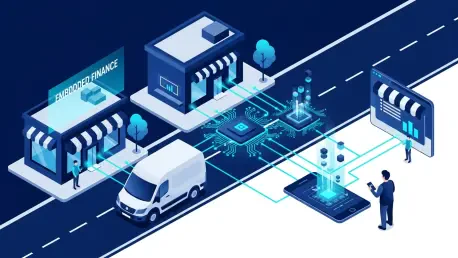

The total transformation of the global financial architecture from centuries-old physical currency traditions into a digital-first ecosystem is currently redefining the very essence of how value is exchanged, stored, and managed across the modern world. This metamorphosis is not merely a change in the medium of exchange but represents a fundamental reconstruction of the global economy toward a system that prioritizes speed, invisibility, and borderless functionality. At the center of this evolution is the convergence of four specific technological pillars—Artificial Intelligence, Blockchain, Biometric Authentication, and Real-Time Payment infrastructure—which are collectively dismantling the systemic friction inherent in legacy banking models. These traditional systems, characterized by settlement delays, high intermediary costs, and centralized vulnerabilities, are being replaced by a native digital architecture that treats every transaction as a data-rich event rather than a simple movement of funds. As businesses and consumers demand more fluid financial interactions, these technologies have shifted from being optional innovations to becoming the strategic backbone of global commerce. The objective of this ongoing revolution is to create a seamless environment where financial services are no longer a separate task but are instead deeply integrated into the fabric of daily life and commercial activities.
Artificial Intelligence and Machine Learning: The Decision Engine
Artificial Intelligence and Machine Learning serve as the intelligent core of the modern payment landscape, providing the analytical power necessary to manage the staggering volume of transactions processed every second. In this environment, the threat of sophisticated fraud has escalated to a point where traditional human oversight and rule-based systems are no longer sufficient to protect institutional or consumer assets. Modern AI systems address this challenge by performing real-time risk scoring, which involves the analysis of massive, high-velocity datasets that include spending habits, geographical metadata, and even the specific hardware identifiers of the devices involved. Unlike older security protocols that looked for static red flags, these machine learning models can identify subtle anomalies within milliseconds, allowing for a proactive and preventative approach to security. This level of defense is critical for maintaining trust in a system that operates 24/7 across multiple jurisdictions, ensuring that fraudulent activity is neutralized before a transaction is finalized rather than being addressed after a breach has occurred.
Beyond the immediate requirements of security and risk mitigation, Artificial Intelligence is revolutionizing the operational efficiency of global financial networks by optimizing the routing of digital payments. These intelligent systems are capable of analyzing network speeds, current congestion levels, and transaction costs across various pathways to determine the most efficient route for a payment to reach its destination. For the end user, this technological sophistication manifests as a highly personalized and frictionless experience where platforms can anticipate preferred payment methods and significantly shorten the checkout process. By automating the complex regulatory and compliance tasks that were previously labor-intensive, such as Anti-Money Laundering checks and Know Your Customer protocols, AI allows financial institutions to scale their operations without a linear increase in manual overhead. This transition toward automated, intelligent management ensures that the infrastructure remains robust and cost-effective, providing a foundation for further innovation in consumer-facing financial products.
Blockchain and Distributed Ledger Technology: The Decentralized Foundation
While Artificial Intelligence provides the intelligence for the payment ecosystem, Blockchain and Distributed Ledger Technology offer a decentralized infrastructure that removes the long-standing reliance on traditional intermediaries. The primary advantage of this technology lies in its ability to provide a transparent, immutable, and universally accessible record of every financial transaction, which effectively eliminates the need for a central clearinghouse. This shift is particularly transformative for international payments, which have historically been the most inefficient segment of the financial system due to time zone differences, high currency conversion fees, and a convoluted chain of correspondent banks. Blockchain enables direct, peer-to-peer settlement, allowing value to move across borders as quickly as information moves across the internet. This capability has become an essential tool for the modern gig economy and complex global supply chains, where the ability to pay contractors or suppliers instantly provides a significant competitive advantage over companies still tied to legacy banking cycles.
The gap between traditional finance and the decentralized world of digital assets is narrowing rapidly as blockchain technology becomes more deeply integrated into mainstream commercial channels. New financial tools and bridges now allow users to spend digital assets through established payment networks like Mastercard or Apple Pay, effectively moving these assets from the realm of speculative investment into practical, daily utility. Furthermore, the rise of smart contracts—which are self-executing agreements with the terms of the contract directly written into lines of code—is making financial transactions more autonomous and programmable. These contracts automatically trigger payments when specific conditions are met, which drastically reduces the need for manual billing, escrow services, and administrative follow-up. This programmable nature of money creates a more efficient and predictable financial environment, allowing for the creation of complex financial instruments that operate with minimal human intervention while maintaining a high degree of transparency and security.
Biometric Authentication and Identity Security: The Human Interface
The third pillar of the current digital payment revolution focuses on the critical issue of identity, moving away from knowledge-based security like passwords and PINs toward more secure, inherence-based verification methods. Biometrics, including facial recognition, iris scanning, and fingerprint analysis, have become the gold standard for securing mobile wallets and sensitive financial data across the globe. The industry goal is to achieve a state of zero-friction security, where the identity of the user is verified so naturally and seamlessly during the transaction process that the consumer barely notices the authentication occurring. This shift significantly reduces the risks associated with account takeovers and social engineering attacks, as biometric data is much harder to steal or replicate than a string of characters or a numerical code. By tethering the ability to move funds directly to the physical presence of the individual, the financial system is building a much stronger and more resilient layer of trust that protects both the consumer and the merchant from the rising tide of digital identity theft.
A more advanced and nuanced development in this field is the rise of behavioral biometrics, which analyze the specific ways a person interacts with their digital devices. This technology monitors subtle patterns such as the pressure of a touch, the angle at which a phone is held, or the unique cadence and rhythm of typing to provide continuous authentication throughout an entire session. Because these behavioral footprints are almost impossible for an unauthorized user to replicate, they add a robust and invisible layer of protection that remains active even if a device has already been unlocked. This reflects a broader consensus within the cybersecurity community that identity should be treated as a fluid, ongoing process rather than a static, one-time login event. As these behavioral signals are processed by the same AI systems mentioned previously, they create a highly personalized security profile that adapts to the user over time, ensuring that the barriers to commerce remain low for legitimate users while remaining impassably high for malicious actors.
Real-Time Payment Infrastructure and Embedded Finance: The Fluid Rails
The final pillar supporting the modern digital economy is the physical and digital track upon which money moves, formally known as Real-Time Payment infrastructure. This represents a massive global effort to upgrade aging, batch-processed banking systems to support instant, 24/7 settlement between institutions and individuals. With a growing number of countries adopting these high-speed systems, the global standard is rapidly shifting toward immediate finality, where funds are available to the recipient the moment they are sent. This infrastructure is often paired with open banking regulations, which require traditional financial institutions to share data with authorized third-party providers through secure application programming interfaces. This openness facilitates faster, direct account-to-account payments that bypass traditional credit card networks entirely, reducing the costs for merchants and providing consumers with a more direct way to manage their liquid assets without the delays associated with credit cycles.
The ultimate result of this real-time infrastructure and the openness of the banking system is the rise of embedded finance, where payment capabilities are integrated directly into non-financial platforms. Whether a consumer is using a ride-sharing application, an e-commerce marketplace, or a logistics platform, they no longer have to stop and perform a separate payment action in the traditional sense; the transaction happens automatically as a byproduct of the service. This creates an invisible payment experience that removes the psychological and technical barriers to commerce, allowing for a more fluid exchange of value. As these real-time rails continue to expand and interlink across different geographical regions, they are creating a global financial system that is more inclusive and accessible than ever before. This infrastructure is not just about speed; it is about creating a foundational layer of connectivity that allows for the emergence of entirely new business models that were once impossible under the constraints of legacy banking hours and settlement times.
Strategic Evolution and Actionable Integration: The Path Forward
Organizations that successfully navigated the transition to this new digital reality recognized that legacy systems were becoming significant liabilities in a high-speed market. These companies moved beyond simply digitizing old paper-based processes and instead embraced a native digital architecture that prioritized interoperability and real-time data flow. By evaluating every point of friction within their payment lifecycles, businesses identified specific areas where AI-driven fraud detection and biometric verification could be implemented to protect their assets while simultaneously improving the customer experience. This proactive stance allowed them to reduce the operational costs of handling transactions while increasing the security of their platforms, ensuring that they remained competitive in an environment where consumers expected instant and secure service. The shift toward account-to-account payments and the integration of blockchain for cross-border settlements provided these organizations with the flexibility to operate globally without the burden of excessive intermediary fees.
In the final assessment of this technological shift, it was clear that the democratization of finance became a major byproduct of these innovations. By lowering the barriers to entry and reducing the cost of transactions, these four pillars brought millions of individuals into the formal economy through mobile-first infrastructure that did not require a traditional bank branch. Business leaders learned that the most effective strategy involved building systems that could talk to various networks, whether they were traditional bank rails or newer decentralized ledgers. This commitment to flexibility and security ensured that the global exchange of value became faster, safer, and more inclusive. As these technologies matured and became more deeply interlinked, they established a frictionless, intelligent, and invisible layer of trust that now powers the modern world, proving that the future of payments was never just about moving money but about facilitating a more connected and efficient global community.