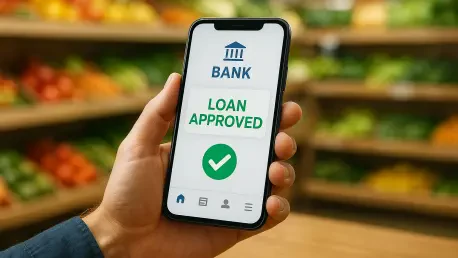

Maintaining a clean credit record is essential for MSMEs, as outstanding arrears or negative CRB listings can lead to the immediate denial of mobile loan applications. This reality underscores the shifting landscape of commercial finance where speed and digital history dictate success. For small and medium enterprises operating in competitive markets, the ability to access quick capital without the traditional bureaucratic hurdles of physical paperwork has become a fundamental requirement for survival. Cooperative Bank has positioned itself at the center of this transformation by leveraging mobile technology to bridge the gap between financial institutions and local entrepreneurs. The bank recognizes that time is a critical commodity for business owners who must act quickly on market opportunities or manage sudden cash flow shortages. By integrating mobile lending into its core service delivery, the institution provides a vital lifeline that supports day-to-day operations while fostering long-term stability within the private sector and the broader economy.
1. Digital Integration: The Role of MCo-opCash in Business Growth
The primary vehicle for this financial empowerment is the MCo-opCash application, a platform that transforms a standard smartphone into a comprehensive banking terminal. This tool allows business owners to apply for loans, manage accounts, and transfer funds with a level of convenience that was previously unimaginable for micro-enterprise operators. The seamless nature of the application process ensures that a borrower can secure funds within minutes, provided they meet the basic eligibility criteria based on their account activity. This digital interface removes the psychological and physical barriers often associated with visiting a bank branch, such as long queues and the intimidation of formal interviews. Furthermore, the platform offers a transparent view of interest rates and repayment schedules, allowing users to make informed decisions before committing to any debt. Such accessibility is particularly beneficial for businesses that require frequent, small-scale injections of capital to purchase stock or cover urgent overhead costs.
Beyond just being a lending tool, the mobile application facilitates a broader ecosystem of digital literacy and financial tracking for MSMEs. When business owners use the platform for regular transactions, they create a digital footprint that significantly enhances their creditworthiness over time. This data-centric approach means that even enterprises without significant physical collateral can access substantial credit limits based on their turnover and transaction patterns. The integration of payment services within the app also enables entrepreneurs to pay suppliers and receive payments from customers directly, creating a closed-loop system that minimizes the risks associated with handling cash. As these businesses transition from cash-heavy operations to digital-first models, they become more resilient to theft and accounting errors. This shift not only secures their current assets but also prepares them for more advanced financial products as they grow. The bank thus acts as a partner in the digitalization journey, ensuring that small firms are not left behind.
2. Data-Driven Credit: Simplifying the Path to Small Business Capital
The efficiency of the bank’s mobile lending strategy is largely attributed to its sophisticated credit scoring algorithms that prioritize actual performance over traditional security. For many small business owners, providing land titles or vehicle logbooks as security for a minor loan is an insurmountable hurdle. By focusing on bank account movement and mobile money history, the institution allows the business’s natural rhythm to speak for its health. This method of assessment is inherently more inclusive, as it accommodates the reality of micro-enterprises that might operate in the informal sector but maintain high transaction volumes. It shifts the focus from what an entrepreneur owns to how well they manage their revenue streams. Consequently, the bank can offer personalized loan limits that grow as the business matures and demonstrates a consistent repayment history. This dynamic lending model ensures that the credit provided is proportional to the borrower’s capacity, thereby reducing the risk of over-indebtedness.
Financial consultants observed that the most resilient enterprises were those that utilized mobile loans to facilitate immediate inventory expansion or to capitalize on time-sensitive supply chain discounts. It was found that businesses which maintained separate digital wallets for taxes and loan repayments avoided the liquidity traps that plagued less organized peers. Moving forward, entrepreneurs were encouraged to integrate their MCo-opCash records into broader financial planning software to better predict future credit needs. The historical data suggested that those who prioritized transparency and consistent account activity enjoyed higher loan limits and more favorable terms over time. It was also recommended that small business owners sought out financial literacy workshops to better understand the nuances of interest compounding and debt-to-equity ratios. By treating digital credit as a strategic asset rather than a temporary fix, these ventures secured a more stable foundation for long-term expansion in a rapidly evolving and digitalized marketplace.