
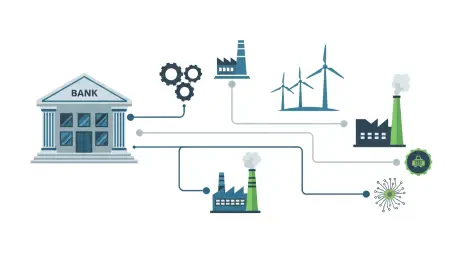
The persistent erosion of the domestic manufacturing sector has left the American heartland vulnerable to global supply chain shocks and the slow decay of its middle class. For decades, the national economy drifted toward a service-oriented model, prioritizing software and finance over the physical

For over a decade, European lenders have watched from the sidelines as their American counterparts transformed the global financial landscape into a playground dominated by Wall Street giants, leaving the continent’s banks to grapple with stagnating growth and an increasingly restrictive regulatory

The global banking landscape has witnessed many ambitious giants falter at the borders of the United States, yet Nubank arrives with a level of momentum that suggests the traditional walls might finally be showing structural cracks. While the North American market is often viewed as the ultimate

The formal pursuit of a ten billion dollar exchange stabilization facility from the United States Treasury marks a radical shift in how Islamabad seeks to insulate its sovereign reserves from the persistent volatility of the global financial markets. This high-stakes diplomatic maneuver, directed

While global economic uncertainty lingers, the stability of the U.S. banking sector is being quietly defined by a crucial, yet often overlooked, financial buffer known as the Allowance for Credit Losses. As a primary indicator of institutional health, the Allowance for Credit Losses (ACL) coverage

The image of frantic crowds banging on locked bank doors remains the quintessential symbol of financial catastrophe, yet the true catalyst often lies deeper within the ledger books than in the momentary hysteria of a panicked public. While the spectacle of a bank run suggests a sudden, irrational