
Priya Jaiswal is a recognized authority in banking and finance with extensive expertise in market analysis. She joins us to discuss Barclays’ acquisition of GoHenry, a move signaling a significant shift in the modern customer lifecycle.
Large traditional banks often struggle to engage younger demographics before they reach adulthood. How does acquiring a youth-focused platform like GoHenry fundamentally change the growth trajectory for a major institution like Barclays?
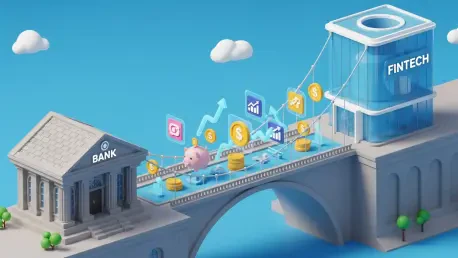
By bringing GoHenry into its fold, Barclays builds a bridge to the future before that future even arrives. This allows them to tap into a community of over half a million active UK users, some starting as early as age six. Instead of waiting until adulthood, Barclays secures a lifelong relationship pathway through financial education. This play for mass affluent households positions the bank as a developmental partner rather than just a place to store money.
The educational component of GoHenry has been a cornerstone since its 2012 launch. What impact do features like the Junior Stocks and Shares ISA have on how the bank views long-term customer value?
The Junior ISA, allowing annual contributions of up to £9,000, is a game-changer for family wealth interaction. When parents lock away these funds until the child turns eighteen, they make a multi-year commitment to the platform. This creates a deep brand engagement that lasts for over a decade. For Barclays, it fosters a financially literate generation, building on the two million kids who have already used the app.
Barclays mentioned they intend to keep GoHenry as a standalone brand rather than absorbing it entirely. Why is maintaining that separate identity so crucial for their overarching strategy?
Preserving the GoHenry brand is a strategic move that protects the purpose-built feel families have loved for years. If Barclays immediately absorbed the identity, they would risk losing the child-friendly atmosphere that makes the app feel like a helpful tool. By keeping it standalone until the expected Q4 2026 completion and beyond, they can continue to innovate within that niche. This ensures that active UK users experience no digital disruption during their transition into the Barclays ecosystem.
With Acorns retaining ownership of the US business and European operations like Pixpay, how do you interpret the exploration of other ways to collaborate between Barclays and Acorns?
This relationship suggests a broader ambition that crosses the Atlantic for both financial entities. Barclays signals interest in the US market where Acorns Early continues to thrive under its original ownership. This could eventually lead to shared insights or co-branded products for global customers. This alliance between a legacy lender and a modern giant aims for a truly seamless global banking experience.
What is your forecast for the future of youth-oriented fintech?
I expect a surge in cradle-to-grave banking ecosystems where traditional players no longer wait for adulthood to initiate contact. Legacy banks will increasingly acquire specialized apps to gain access to mass affluent segments through interactive literacy tools. The barrier between learning about money and managing it will likely disappear soon across the entire industry. This deal will serve as a blueprint for how institutions bridge the generational wealth gap effectively while maintaining a human touch.