
In the dynamic world of retail, the checkout counter is rapidly evolving from a simple point of transaction into a critical hub for customer engagement and technological innovation. We’re joined by Priya Jaiswal, a renowned authority in finance and business trends, whose work focuses on the intersection of technology and commerce. Today, we’ll explore Currys’ ambitious move to overhaul its in-store payment systems, a project that weaves together advanced payment infrastructure, artificial intelligence, and a unique approach to corporate-charity partnerships. We’ll delve into how this strategy aims to create a more cohesive and intelligent shopping experience, linking everything from digital shelf labels to AI-assisted sales, and what it signals for the future of brick-and-mortar retail.
The announcement highlights using Stripe’s infrastructure for AI-assisted shopping. Could you walk us through how this new payment technology integrates with AI tools, and what a faster, more flexible checkout experience will actually look like for a customer in-store?
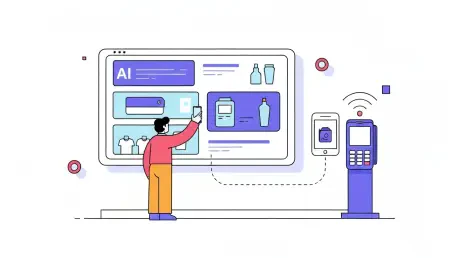
Think of the new Stripe infrastructure as the central nervous system for the store’s transaction capabilities. It’s not just about tapping a card anymore. When we talk about integrating AI, we’re referring to a seamless flow of information. For instance, a customer might use an in-store tool, powered by something like OpenAI’s technology, to get a personalized recommendation for a new laptop. The AI can then push that specific product and its details directly to one of the thousands of new payment terminals. This eliminates the clunky process of scanning barcodes or manually entering items. For the customer, it feels incredibly fluid and fast—the conversation they just had with the AI assistant flows right into a simple, ready-to-go payment prompt, making the final step of their purchase journey feel effortless and integrated.
You’ve established a unique three-way partnership with Stripe and the charity Pennies. What were the key steps in brokering this “global first” deal, and how does it create a seamless, “data-free” donation experience for shoppers using the new terminals?
Orchestrating a “global first” like this required a deep alignment of vision between a major retailer, a fintech leader, and a charity. The critical step was moving beyond a simple contractual agreement to a genuine technical integration. We worked to embed the Pennies micro-donation functionality directly into the payment software on the new Stripe terminals. This means the prompt to donate is a native part of the checkout flow, not a clunky add-on. The “data-free” aspect is paramount for building trust. When a customer is asked to add a small donation, their decision is completely anonymous; no personal information is captured or stored. It’s a simple, frictionless tap that respects privacy, which is why this model has been so successful, enabling over 300 million donations and raising £75 million for great causes. It makes giving feel good, not intrusive.
This payment upgrade is part of a wider store transformation, which also includes electronic shelf labels and employee headsets. How do these initiatives work together to create a unified customer journey, and what key metrics are you tracking to measure their combined success?
These initiatives are not isolated upgrades; they are interconnected pieces of a strategy to build a truly modern, responsive store environment. Imagine this journey: A customer is looking for a product, and an employee with a headset can instantly confirm stock and location without leaving their side. The customer then approaches the shelf, where an electronic label displays not just the price, but also a QR code for detailed specs, assuring them the price is perfectly synchronized with the website. When they’re ready to buy, they proceed to the new, faster terminal. Each piece removes a classic point of friction—waiting for help, price confusion, or a slow checkout. We’re tracking metrics like checkout speed, reduction in pricing discrepancies, and of course, overall customer satisfaction scores to measure how this unified ecosystem is enhancing the entire shopping experience from aisle to exit.
You’ve completed a full rollout of electronic shelf labels across nearly 300 stores. Can you describe the operational challenges of such a large-scale deployment and how synchronizing prices has tangibly improved both store efficiency and customer trust?
Deploying electronic shelf labels across 295 stores was a massive logistical feat. The primary challenge was the physical installation and ensuring that tens of thousands of individual digital displays across the UK and Ireland could sync flawlessly and instantly with our central pricing system. From an efficiency standpoint, the impact is profound. We’ve eliminated the incredibly time-consuming and error-prone task of manually printing and replacing paper labels, especially during promotional periods. But the biggest win is in customer trust. There is nothing more frustrating for a shopper than seeing one price online and another on the shelf. By guaranteeing absolute price consistency, we remove that anxiety and build a powerful sense of reliability. It’s a tangible demonstration to our customers that we are transparent and fair, which is invaluable.
What is your forecast for the future of AI in brick-and-mortar retail checkout experiences?
My forecast is that the checkout will evolve from a point of transaction to a point of interaction. In the near future, AI will drive hyper-personalization directly on the payment terminal, offering relevant accessories or protection plans based on the items in your basket. Looking further out, the infrastructure being built now is the foundation for even more seamless experiences, potentially moving toward “just walk out” style technology where the payment is so integrated it becomes almost invisible. AI will also play a huge role behind the scenes in areas like real-time fraud detection and dynamic offers at the point of sale. The ultimate goal is to transform the checkout from a necessary final step into a smart, helpful, and frictionless conclusion to the shopping journey.