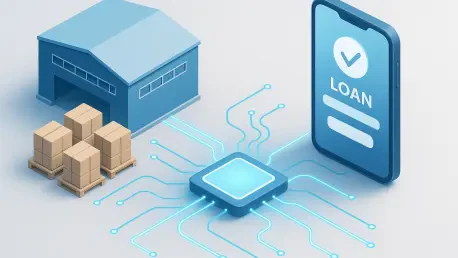

The rapid integration of advanced fintech solutions is fundamentally reshaping how institutions manage multi-billion dollar dealer inventories and individual consumer loan portfolios simultaneously. In the current landscape, secured finance is moving toward digital transformation as unified financial ecosystems become the industry standard. Platforms like Solifi have expanded their reach by acquiring specialists such as Inovatec Systems Corporation, Leasepath, and DataScan. While wholesale finance centers on dealer inventory management, retail lending focuses on the individual consumer loan lifecycle. This consolidation, backed by TA Associates and Thoma Bravo, aims to create a seamless infrastructure for modern lenders.
Foundational Concepts in Secured Finance Technology
Secured finance technology is evolving to meet the demands of a digital-first economy. Solifi, under the leadership of CEO Dan Corazzi, has utilized strategic acquisitions to bridge the gap between commercial and consumer financing. By integrating tools like Leasepath for equipment finance and DataScan for inventory oversight, the platform provides a holistic view of asset-backed lending.
This shift reflects a broader trend where fintech consolidation replaces fragmented legacy systems with unified platforms. The involvement of major investors like TA Associates and Thoma Bravo underscores the strategic value of creating ecosystems that handle both dealer-level flooring and individual retail loans.
Structural Differences and Technological Frameworks
Target Markets and Operational Scope
The commercial nature of wholesale finance contrasts with the consumer-centric retail sector. Solifi leverages Leasepath and DataScan to dominate equipment and inventory oversight for large organizations. In contrast, Inovatec specializes in the Canadian retail loan market and North American automotive finance. These models serve distinct stakeholders, from dealerships requiring massive credit lines to individual borrowers seeking quick digital approval for a vehicle purchase.
Lending Lifecycle and Functional Capabilities
Technical frameworks for retail lending prioritize speed through digital applications and automated credit adjudication, which are core strengths of Inovatec’s suite. Conversely, wholesale management requires robust oversight of physical assets and inventory flooring. The Solifi-Inovatec integration serves as a bridge, merging commercial dealer management with individual loan processing. By automating credit decisions in retail while maintaining wholesale lines, providers optimize performance metrics across the lending spectrum.
Data Synthesis and Risk Management
Risk assessment varies between domains, as wholesale environments focus on asset-based valuation while retail relies on credit-based scoring. Synthesizing data from both sectors offers a cohesive workflow, yet merging commercial inventory datasets with consumer portfolios remains a technical hurdle. Organizations that navigate this synthesis gain a competitive advantage by monitoring both dealer-level health and consumer-level financial stability within a single risk capability framework.
Implementation Challenges and Consolidation Risks
Merging a 160-person team and disparate software architectures presents significant operational risks during major corporate transitions. Maintaining separate product roadmaps during an acquisition, such as Solifi’s expansion, requires a delicate balance to avoid client disruption. Lenders often face the dilemma of choosing between specialized niche tools and all-encompassing platforms that may lack the granular focus of standalone solutions.
Successfully synthesizing commercial and consumer lending data requires overcoming the friction of disparate data structures. For many institutions, the challenge lies in migrating to a consolidated platform without interrupting existing client workflows. Technical obstacles in architecture alignment can delay the benefits of a unified ecosystem if not managed with precision.
Strategic Conclusions and Platform Selection
The assessment of these models showed that selecting between specialized tools like DataScan and integrated suites like Inovatec depended on specific institutional goals. Financial leaders prioritized unified platforms to reduce architectural complexity. Ultimately, the trend toward consolidation provided a roadmap for navigating the future of global secured finance by harmonizing commercial and consumer data streams. This shift encouraged institutions to adopt versatile solutions that addressed both dealer inventory and individual retail needs.