
Introduction
The landscape of Australian personal finance is undergoing a radical shift as traditional banking paradigms yield to the sophisticated capabilities of artificial intelligence. This transformation is led by the arrival of specialized platforms that prioritize real-time data analysis over static monthly statements, creating a more dynamic relationship between consumers and their assets.
This exploration details how Vivi Money serves as a catalyst for change within the fintech sector by introducing a conversational assistant to a live banking environment. Readers can expect to learn about the strategic partnership with Pismo, the role of modular infrastructure, and the way these technologies collaborate to automate personal wealth management.
Navigating the AI-Driven Financial Frontier
What Distinguishes Vivi Money from Conventional Banking Apps?
Traditional financial tools often require users to manually aggregate data from various institutions, creating a fragmented view of personal wealth. This manual process is frequently reactive, where consumers only realize they have missed saving opportunities after the fact. Such inefficiency created a demand for a more cohesive system that can monitor fiscal health without constant human oversight.
The platform addresses this by utilizing a conversational assistant that integrates directly with a live financial environment. By connecting to bank accounts, loans, and retirement savings, the system provides a comprehensive analysis of interest structures and cash flow. This allows for the proactive reallocation of capital, ensuring that funds move toward high-yield opportunities the moment they become available.
How Does the Integration with Pismo Facilitate Advanced Features?
Developing a secure and scalable financial platform from scratch presents significant technical hurdles that can delay innovation for years. To bypass these obstacles, modern fintech firms leverage existing modular infrastructure to handle back-end processing. This approach ensures that the focus remains on user experience rather than the maintenance of fundamental banking ledgers.
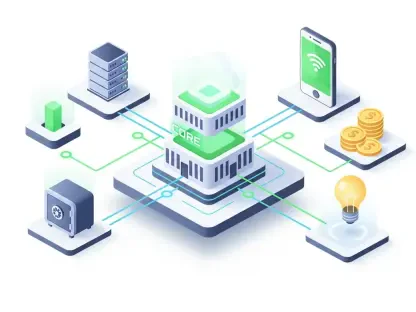
Vivi Money utilizes the cloud-native APIs provided by Pismo to manage its transaction and savings accounts. This partnership enables the deployment of high-interest options and a Visa spending account supported by Novatti. By synthesizing core banking technology with real-time analytics, the system provides a seamless bridge between complex data processing and daily consumer spending habits.
What Impact Will Embedded Finance Have on Future Wealth Management?
The trend toward embedded finance represents a move away from siloed applications and toward ecosystems where financial advice is woven into the transaction process. Instead of visiting a separate advisor, users benefit from machine learning algorithms that offer suggestions during the point of sale. This shift empowers individuals to make informed decisions without needing deep expertise in market fluctuations.
Moreover, the expansion of these services across the Asia-Pacific region indicates a growing appetite for automated money management. Following successful implementations in other markets, the rollout in Australia suggests a future where fiscal management is a background utility. This evolution simplifies the understanding of complex data, allowing users to focus on long-term goals while the software handles the minutiae.
Summary: Key Takeaways from the Digital Wallet Launch
The introduction of an AI-driven digital wallet marks a transition from passive tracking to active, automated financial management. By combining conversational interfaces with modular core banking, the platform simplifies the entire financial ecosystem into a single interface. This synergy between infrastructure and intelligent analytics sets a new standard for how consumers interact with their money.
Key insights include the importance of real-time fund reallocation and the benefits of a unified view across various financial products. Such innovations represent a significant leap toward a world where personal finance is both accessible and optimized for every individual. These advancements ensure that the user remains at the center of the financial journey.
Final Reflections on Financial Automation
The emergence of this platform demonstrated that the era of manual budgeting was quickly coming to an end. It proved that a well-designed digital assistant could transform the way people perceived their financial obligations and opportunities. This shift encouraged a deeper consideration of how automated tools could be utilized to achieve greater economic stability and long-term prosperity.
Looking back, the adoption of these intelligent platforms paved the way for more inclusive and efficient financial services. Those who embraced the change found themselves better equipped to navigate the complexities of modern wealth management. Moving forward, the focus must remain on refining these tools to ensure they continue to serve the diverse needs of the global population.