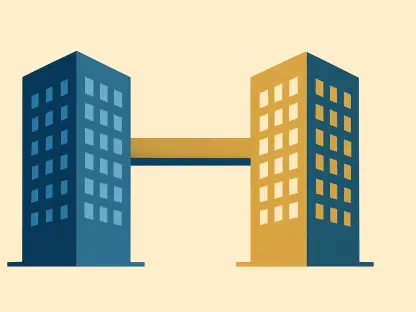

The seamless integration of blockchain technology into the foundational layers of traditional finance marks a definitive shift from legacy database management toward programmable asset ownership. This transition involves replacing siloed digital records with distributed ledger technology to unify global capital markets. By serving as a conduit between established institutional finance and the decentralized ecosystem, tokenized infrastructure provides a more transparent mechanism for verifying ownership and managing value.
Core Architectural Components of the Ecosystem
Integrated Transfer Agency and Registry Management
Blockchain serves as the primary source of truth for shareholder registries, replacing the fragmented databases of the past. Unlike legacy systems that require constant manual reconciliation, these ledgers handle massive data volumes for public corporations with minimal discrepancy rates. This shift ensures that data integrity remains uncompromised even across high-velocity trading environments where ownership changes hands in milliseconds.
Hybrid Regulatory and Trading Frameworks
Merging SEC and FCA-regulated frameworks with proprietary trading technology allows for a dual-purpose environment. These platforms facilitate tokenized asset exchange while strictly adhering to traditional compliance standards. This architecture bridges the gap between innovative agility and the rigorous safety requirements demanded by institutional investors and global regulators.
Recent Trends and Strategic Market Consolidation
A notable trend involves strategic consolidation where crypto-native entities acquire established financial service providers to gain operational scale. These multi-billion dollar deals, such as those seen in the merger of digital exchanges with century-old transfer agents, provide emerging firms with a ready-made regulatory footprint. This allows the combined entities to bypass the slow process of building institutional trust from scratch.
Practical Implementation in Global Capital Markets
Real-world applications involve managing complex employee share plans and corporate actions for blue-chip corporations. The most innovative aspect remains the interaction between blockchain nodes and traditional settlement systems like the DTCC or Euroclear. This creates a hybrid model where programmable assets can still circulate within legacy clearance channels, ensuring no loss of liquidity during the transition.
Structural Challenges and Regulatory Barriers
Despite technological progress, technical hurdles persist regarding interoperability with aging financial mainframes. Navigating the complex regulatory approval processes for massive cross-border acquisitions also creates significant friction. Current development efforts focus on hybrid ownership tracking models designed to mitigate these limitations while maintaining the speed benefits of blockchain.
Future Projections for Digital Asset Infrastructure
The trajectory suggests a total migration of public equity records to programmable ledgers. This shift will likely result in near-instant settlement cycles, which will drastically increase global liquidity. By removing the latency inherent in legacy settlement windows, the market can achieve a level of transparency and efficiency that was previously impossible under the old digital regime.
Summary and Final Assessment
The convergence of administrative expertise and blockchain innovation redefined how global markets operated. While adoption faced initial skepticism, the infrastructure successfully bridged two disparate financial eras. The technology ultimately modernized market transparency and provided a clear path for widespread institutional adoption of digital assets.