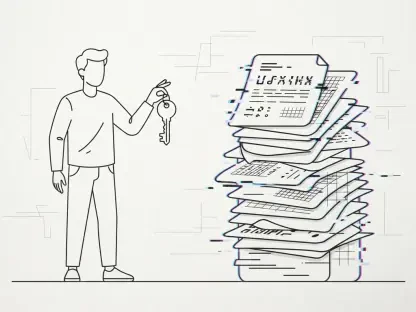

Physical site inspections of business premises are now coordinated by the bank internally, reducing the administrative load on time-constrained small business entrepreneurs. This transition toward a fully digital, mobile-first property loan ecosystem marks a significant milestone in the South Korean financial landscape as Woori Bank moves to streamline high-value lending for the SOHO demographic. By integrating secured property loans of up to ₩1 billion into the “Woori WON Banking” application, the institution has successfully removed the traditional barriers of physical branch visits and extensive paper documentation. This initiative represents a strategic pivot toward digital financial inclusion, ensuring that small business owners can leverage their real estate assets with the same efficiency as unsecured credit products. As the market evolves in 2026, the demand for such seamless integration has forced traditional banks to innovate rapidly, resulting in a hybrid model that balances rigorous institutional security with the modern necessity for remote accessibility and speed.
Expanding Collateral Boundaries: Beyond Residential Limitations
The diversification of eligible collateral stands as a primary pillar of this new digital initiative, moving far beyond the standardized valuation models of the past. Previously, non-face-to-face lending was largely restricted to residential apartments because their market values were easily tracked through consistent, large-scale databases. Woori Bank has shattered this limitation by extending its digital appraisal capabilities to include a wider variety of real estate, such as row houses, multi-family homes, and officetels. This expansion is critical for sole proprietors who may hold their wealth in diverse property types that were previously deemed too complex for automated processing. By refining its internal valuation algorithms, the bank has created a pathway for these entrepreneurs to access liquidity without the historical delays associated with manual asset appraisal, thereby ensuring that a broader segment of the small business community can participate in the digital economy.
Furthermore, the inclusion of commercial neighborhood retail properties, often referred to as sang-ga, represents a sophisticated advancement in backend data processing and risk assessment. These commercial spaces are notoriously difficult to value remotely due to their unique locations, floor-level differences, and varying rental yields, which traditionally required intensive manual oversight. By integrating these complex assets into a mobile platform, Woori Bank is acknowledging the practical asset portfolios of modern business owners who rely on these properties for their livelihoods. This technological shift is underpinned by an advanced data infrastructure that synthesizes market trends and localized real estate metrics to provide accurate, real-time valuations. Consequently, business owners who previously felt excluded from the digital lending revolution now find that their most significant commercial investments are recognized as viable collateral for large-scale corporate financing needs.
Workflow Efficiency: Application Precision and Repayment Flexibility
The structured workflow of the digital application process is designed to maximize user convenience while maintaining the rigorous standards expected of a major financial institution. Entrepreneurs can initiate their loan requests through the mobile app up to fifteen business days before they require the funds, allowing for a comprehensive internal review without rushing the borrower. Once the application is submitted, a specialized internal department at the bank takes over the heavy lifting of document authentication and collateral assessment, effectively insulating the customer from the bureaucratic complexities of the process. This approach allows business owners to remain focused on their daily operations while the bank’s internal systems work in the background to verify the legitimacy of the provided information. This balance of speed and diligence ensures that the move to a digital ecosystem does not compromise the security or the accuracy of the final lending decision for either party.
Recognizing that sole proprietors often face highly volatile income cycles, Woori Bank has introduced a suite of flexible repayment structures to ensure that debt management does not hinder business growth. Borrowers are no longer forced into a rigid, one-size-fits-all payment schedule; instead, they can choose between a lump-sum repayment or a principal installment plan. The lump-sum option is particularly beneficial for businesses that anticipate a significant liquidity event in the future, such as a seasonal peak or the sale of an asset, allowing them to manage their monthly cash flow with greater ease. Conversely, the installment repayment plan caters to businesses with steady and predictable monthly revenues, providing a clear path toward debt reduction over time. This level of customization ensures that the loan remains a supportive tool for expansion rather than a source of financial strain, directly addressing the unique operational realities of the small business sector.
Strategic Outcomes: The Future of Asset-Backed Digital Finance
The implementation of this mobile-first lending model successfully challenged the traditional dominance of physical banking hubs and established a new baseline for the industry. Competitive pressures between traditional institutions and digital-only neobanks drove this innovation, as legacy banks utilized their extensive appraisal expertise and infrastructure to offer complex products that challengers could not yet replicate. The launch proved that high-limit, asset-backed financing could be executed within a digital ecosystem without sacrificing security or legal integrity. Financial leaders observed that the reduction in administrative friction led to higher customer retention rates among sole proprietors who prioritized speed and efficiency. By successfully migrating these complex transactions to the mobile space, the bank demonstrated that the smartphone had become the primary gateway for substantial business capital, effectively empowering entrepreneurs to restructure their debt and expand their operations with unprecedented agility.
Moving forward, the success of this initiative suggested that financial institutions must continue to integrate big data and automated valuation models into their core lending portfolios. The bank encouraged small business owners to maintain updated electronic registrations and digital asset records to further expedite future capital access. As the landscape shifted, it became clear that the integration of commercial real estate into digital platforms was not just a convenience but a competitive necessity for any bank aiming to serve the modern corporate sector. Future considerations for the industry included the potential for blockchain-based title deeds and even faster disbursement cycles as legal frameworks became more digitized. Ultimately, the transition to property-backed mobile loans provided a scalable solution for entrepreneurs looking to navigate the complexities of 2026 and beyond, ensuring that the backbone of the economy remained well-funded and technologically advanced.