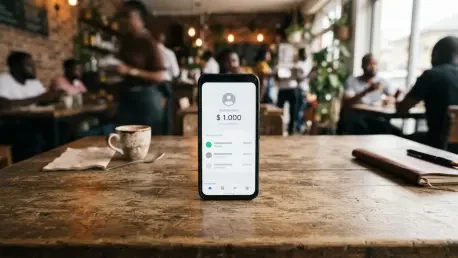

The rapid evolution of Nigeria’s digital economy has forced a significant pivot among legacy financial institutions as they struggle to retain the loyalty of a tech-savvy generation. On November 11, 2026, Guaranty Trust Bank launched its dedicated 737 App, marking a decisive move to bridge the gap between traditional banking reliability and the agile user experience offered by modern fintech startups. This platform targets students and young professionals who view conventional banking structures as cumbersome and out of touch with their fast-paced lifestyles. By focusing on a mobile-first philosophy, the bank seeks to transform the smartphone into a comprehensive financial hub that goes beyond simple balance checks. The shift represents more than just a software update; it is an attempt to redefine the financial identity of millions of users by removing the friction points that have historically plagued the domestic banking sector while introducing modern tools for the global economy.
Expanding Access and Connectivity
Merging Phone Numbers With Account Identities
One of the most significant hurdles for casual banking users in Nigeria has always been memorizing ten-digit account numbers, a requirement that often leads to errors and delays in peer-to-peer transfers. The 737 App addresses this by using the user’s mobile phone number as their primary account identifier, effectively turning a contact list into a directory of potential payment recipients. Beyond domestic convenience, the app introduces a free virtual Naira Mastercard designed specifically to navigate the complexities of international digital commerce. Many Nigerians have historically faced difficulties when attempting to pay for global services like Netflix or Amazon due to restrictions on local cards. This virtual card aims to provide a reliable solution by acting as a bridge to international marketplaces, allowing for instant issuance within the app. By simplifying the identity layer and providing global spending tools, the bank creates a more intuitive environment that caters to the specific needs of the modern professional.
Evaluating the Data Dependency Shift
There is a critical distinction between the new smartphone application and the established *737# USSD service that has dominated the market for years. While the USSD code remains a vital tool for offline banking, functioning on basic feature phones with fixed transaction fees, the 737 App is a data-dependent interface that requires an active internet connection. This shift means that users must now consider the cost of data and the reliability of their network providers when managing their finances on the go. Currently, the bank has not fully clarified whether the app will share the same fee structure as the legacy USSD service or if it will adopt a more aggressive, low-cost model to compete with emerging fintech competitors. This lack of transparency regarding the total cost of ownership is a significant factor for potential users to weigh. While the interface offers a superior visual experience and robust features, the transition from an offline to an online model introduces a different set of financial variables that every customer must evaluate carefully.
Strategic Steps for Adopting New Banking Technology
Verifying Costs and Transactional Transparency
The transition to this dedicated mobile platform marked a decisive moment for consumers who required a synthesis of traditional banking stability and the agility of modern fintech interfaces. Because the initial rollout left several questions regarding fee transparency unanswered, the most prudent course of action involved conducting small-scale testing of the virtual card to ascertain real-world exchange rates. Early users were encouraged to track their spending closely to determine if the convenience of the virtual Mastercard outweighed the potential costs of foreign transaction fees. It was also beneficial for adopters to engage directly with institutional support channels to seek clarity on the interest rates applied to instant credit facilities before fully integrating these loans into their financial planning. By taking these analytical steps, individuals ensured that they were not caught off guard by the underlying costs of digital-first convenience as they migrated their primary banking activities to the new mobile application.
Establishing Proactive Security and Backup Protocols
Strategic users prioritized the implementation of multi-factor authentication and SIM-level security measures to mitigate the risks associated with phone-linked account identities during the initial adoption phase. Furthermore, maintaining a functional knowledge of the legacy USSD system remained a critical backup strategy for ensuring financial access during periods of network instability or data outages. It was advisable to perform regular audits of digital permissions and linked devices within the application to prevent unauthorized access from secondary sources. Moving forward, the success of this digital shift depended on a proactive approach to personal security and the establishment of a robust recovery plan in case of device theft or loss. By anchoring their mobile banking experience in these defensive habits, Nigerians protected their assets while enjoying the streamlined features of the platform. These protocols served as the foundation for a sustainable and secure transition into a more digitized financial future that prioritized ease.