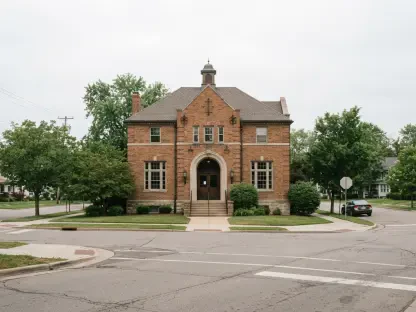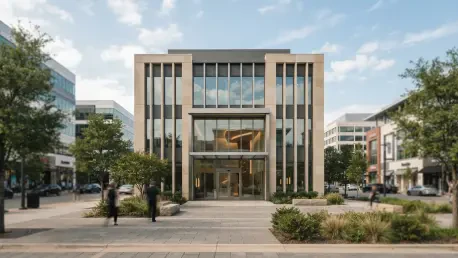

Located at 1400 S. Vista Ave., the new branch aims to bridge the gap between advanced digital deposit accounts and traditional face-to-face service. In an industry where major financial players are increasingly moving toward fully automated systems, the arrival of Capra Bank in Boise represents a significant commitment to personalized partnership. Since its inception in 2022, the institution has expanded from its headquarters in Dubuque, Iowa, into markets across Texas and New Mexico, finally establishing a substantial presence in the Treasure Valley. This expansion is driven by a recognized need for local decision-making in a rapidly growing economic hub where traditional banking options have diminished due to consolidation. By focusing on relationship-based models, the bank seeks to provide a sophisticated alternative for those who find national chains too impersonal or rigid. This strategic move aims to capture the business of entrepreneurs who value direct communication and accountability over algorithm-driven approvals during this pivotal growth phase in the region.
Strategic Leadership and Regional Community Integration
The Boise operations are spearheaded by Jeff Huhn, President of Capra Idaho, who leads a team of seasoned professionals with deep roots in the local community. This veteran group, including experts like Ben Moore and Tonya Westenskow, brings over two centuries of combined experience to the table, ensuring that clients interact with bankers who truly understand regional market dynamics. CEO Lynn “Tut” Fuller has emphasized that the bank’s primary objective is to build a “better bank” rather than just a larger one, focusing on markets where the absence of local community banking has created a void for specialized services. This veteran-led approach ensures that the institution can provide nuanced financial guidance that out-of-state competitors often lack. By leveraging this collective expertise, the bank offers a higher level of responsiveness, allowing for more agile adjustments to shifting economic conditions. This ensures that the local team has the autonomy to make lending decisions that reflect the unique potential of Boise’s diverse business landscape.
To ensure that its strategic direction remains closely aligned with the needs of local businesses, the institution has formed a community board chaired by Kurt Gustavel. This advisory group features prominent figures from the commercial real estate and construction sectors, such as Ryan Donahue and Peter Oliver, who provide essential insights into the valley’s economic drivers. This integration allows the bank to maintain a pulse on the specific challenges and opportunities facing Boise’s business leaders, fostering a collaborative environment that transcends typical transactional banking. By utilizing this local board, the institution can offer banking without compromise, where sophisticated treasury management and commercial lending are delivered with the familiarity of a community partner. This structure reinforces the bank’s commitment to providing direct accessibility to decision-makers, ensuring that local entrepreneurs have the resources they need to thrive. Such a model encourages long-term stability by anchoring financial expertise within the very community it serves, promoting a cycle of local investment and growth.
Ultimately, the launch of the Boise branch established a successful framework for integrating modern digital efficiency with a high-touch service philosophy. Local business owners who sought personalized lending solutions found that the institution’s emphasis on relationship-based banking provided a reliable alternative to the standardized models of larger competitors. The leadership demonstrated that by keeping decision-making power within the community, they could offer faster response times and more flexible financial structures. As the economic landscape shifted toward more specialized needs, the strategic guidance provided by the local advisory board became a vital asset for clients navigating the 2027-2028 market cycles. Prospective clients were encouraged to leverage these local connections to optimize their financial strategies and secure more favorable terms for expansion. This approach proved that the demand for authentic, face-to-face banking remained strong, offering a clear path forward for institutions that prioritized local accountability and direct accessibility for their clients.