
The traditionally slow-moving machinery of federal banking regulation is currently undergoing a radical transformation as digital-native firms aggressively trade their state-level agility for the rigorous, prestigious oversight of the Office of the Comptroller of the Currency. This shift toward national trust bank charters represents a definitive turning point in the institutionalization of digital assets and stablecoins. By moving under the federal umbrella, fintech giants are signaling that the era of fragmented state licensing is no longer sufficient for the scale of modern global commerce. This article examines the rise of these specialized charters, using Payoneer’s strategic maneuvers as a primary lens to analyze the broader implications for international trade and financial supervision.
The Rise of Federal Recognition for Digital Assets
Mapping the Growth of National Trust Bank Applications
A significant volume of fintech firms is currently pivoting toward the Office of the Comptroller of the Currency to streamline operations that were once hampered by the “patchwork” of fifty different state regulators. This transition reflects a desire for a unified federal framework that provides clear rules for stablecoin issuance and asset custody. For companies handling billions in cross-border flow, the administrative burden of maintaining individual state licenses has become a bottleneck that inhibits rapid scaling and technological deployment.
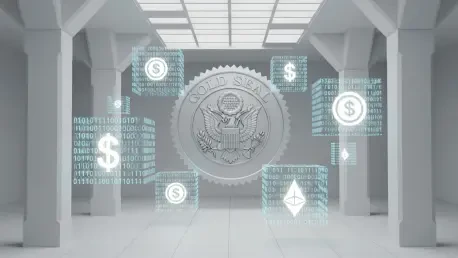
Furthermore, institutional demand is acting as a powerful catalyst for this trend. Entities such as Circle, Ripple, and Paxos have recognized that standardized federal oversight is the “gold seal” required to win the trust of global corporations and conservative financial institutions. As these firms move toward national charters, they are effectively bridging the gap between the experimental world of blockchain and the established world of Tier 1 banking, creating a more predictable environment for digital liquidity.
Strategic Implementation: Payoneer and the PAYO Digital Bank Model
Payoneer’s recent move to establish PAYO Digital Bank serves as a sophisticated case study for this industry-wide evolution. By seeking a specialized charter, the firm intends to provide its 2 million small and medium-sized business users with a direct bridge to the digital economy. This entity is designed specifically to manage stablecoin reserves and facilitate institutional-grade custody, allowing users to move between fiat and digital currencies without the friction typically associated with traditional intermediary banks.
The brilliance of this model lies in the limited-scope nature of the charter. Because PAYO Digital Bank does not intend to take traditional deposits or engage in consumer lending, it can avoid some of the more onerous capital requirements associated with full-service commercial banking. However, it still retains the federal authority to operate across state lines and settle transactions with the speed of blockchain technology. This allows the firm to innovate within the stablecoin space while remaining firmly under the watchful eye of federal examiners.
Industry Insights and the Regulatory Tug-of-War
Expert perspectives suggest that the “special purpose” charter is the most viable vehicle for integrating blockchain innovation into the existing fabric of federal banking law. Proponents argue that this pathway provides a necessary middle ground, ensuring that fintech firms meet high standards for anti-money laundering and cybersecurity without being forced into a traditional banking box that might stifle their technological edge. For many leaders, federal credibility is the only way to truly scale global cross-border payment solutions.
However, this trend has not emerged without significant friction from established financial players. The Bank Policy Institute has voiced concerns that these specialized charters might represent a “lighter” regulatory pathway, potentially allowing tech firms to offer bank-like services without the same level of scrutiny faced by traditional lenders. This debate centers on the very definition of a “bank” and whether these new entities create an uneven playing field. Critics argue that the systemic risk posed by digital assets requires more, not less, oversight compared to traditional deposit-taking institutions.
The Future Landscape of Regulated Fintech
The long-term impact of federal charters will likely be measured by the speed and transparency of international B2B settlements. As more firms secure these licenses, the reliance on traditional, slow-moving correspondent banking networks will likely diminish. This evolution suggests a “dual-track” banking system where fintechs choose between specialized trust charters for asset movement and full-service banking licenses for broader consumer financial products. While companies like Mercury have pursued full-service paths, the trust charter remains the preferred route for those focused on the movement of value rather than the storage of wealth.
Significant challenges remain on the horizon, particularly regarding the evolving guidelines from the SEC and the inherent political volatility surrounding digital asset legislation. Firms must remain agile to navigate these shifting sands, especially as global standards for stablecoin collateralization become more rigid. For the millions of SMBs that power the global economy, the success of this regulated ecosystem could mean the difference between waiting days for a payment to clear and receiving funds in a matter of seconds.
The shift toward national trust charters successfully bridged the gap between decentralized finance and traditional regulatory expectations. By prioritizing federal oversight, companies like Payoneer established a new standard for transparency and supervision in the digital asset economy. Moving forward, stakeholders should prioritize the development of interoperable compliance frameworks that allow these chartered entities to communicate seamlessly with traditional global banks. This alignment will be essential for ensuring that the next generation of trade remains both innovative and secure.