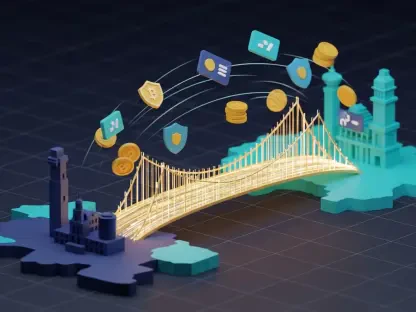
In an increasingly digital global economy where recurring revenue models are paramount, businesses have long grappled with the costly and complex challenge of a fragmented payments landscape. European financial service provider Mollie has announced a definitive agreement to acquire the bank payment specialist GoCardless, a landmark deal poised to reshape the continent’s fintech sector by creating a unified payments powerhouse. This strategic consolidation is designed to serve a combined clientele of over 350,000 businesses by integrating card transactions, bank-to-bank payments, and essential local payment methods into a single, seamless platform. The acquisition directly confronts the operational friction and elevated costs that merchants, particularly those scaling internationally or relying on subscriptions, face when managing multiple payment processors. By combining their distinct but complementary strengths, the two companies aim to forge a single, scalable partner capable of meeting the diverse needs of businesses ranging from ambitious startups to established multinational corporations.
A Unified Strategy for a Fragmented Market
The core rationale behind this major acquisition is to dismantle the persistent barriers created by a siloed payment infrastructure. For years, businesses have been forced to navigate a complex web of providers to accept different payment types, a process that invariably increases administrative overhead, complicates financial reconciliation, and inflates operational costs. This merger directly addresses this pain point by creating a single, cohesive solution. The newly formed entity will enable large enterprises to consolidate their entire European payment stack, replacing a patchwork of vendors with one streamlined partner. This not only simplifies operations but also provides a holistic view of payment flows, enhancing financial management. For small and medium-sized enterprises (SMEs), the deal promises to democratize access to sophisticated, enterprise-grade payment tools that were previously out of reach, empowering them to compete on a more level playing field without the burden of prohibitive complexity or cost.
Central to the combined company’s strategy is a “hyperlocal” approach designed to facilitate smoother global expansion for its clients. Recognizing that a one-size-fits-all model is ineffective in Europe’s diverse market, the platform will emphasize localized support at every stage. This includes offering local onboarding processes tailored to regional regulations and business practices, ensuring seamless integration with popular local business software, and providing comprehensive support for a wide array of regional payment methods. By natively accommodating preferred payment options like iDEAL in the Netherlands or Twint in Switzerland alongside universal methods, the company will allow merchants to offer their customers a familiar and trusted checkout experience. This focus on local nuance is critical for building customer trust, increasing conversion rates, and ultimately simplifying the path to international growth for businesses of all sizes, transforming a once-daunting process into a manageable strategic objective.
Forging a New Path in Subscription and Embedded Payments
One of the most significant challenges for businesses operating on a recurring revenue model is involuntary churn, which often occurs when automated payments fail due to issues like expired credit cards or insufficient funds. This merger is positioned as a direct and powerful solution to this pervasive problem. By integrating GoCardless’s robust bank payment network, which facilitates more reliable direct debit transactions, the new entity can dramatically reduce payment failure rates. Unlike card payments, bank-to-bank transfers are not susceptible to expiration dates, leading to higher retention rates and a more predictable revenue stream. The leadership of both companies highlighted this as a key synergy, with the integration expected to significantly lower transaction costs, stabilize cash flow, and ultimately enhance the lifetime value of subscribers for businesses across the SaaS, media, and membership sectors.
The acquisition also carries profound implications for the rapidly growing world of embedded finance, particularly for software vendors and SaaS platforms utilizing the Mollie Connect ecosystem. The deal empowers these platforms to directly integrate GoCardless’s advanced bank payment network into their own products, creating a comprehensive, white-labeled payment solution for their customers. This allows software companies to move beyond their core offerings and become integral payment facilitators, generating new revenue streams and dramatically increasing customer stickiness. By providing a single, embedded solution that handles both card and bank payments, these platforms can offer a superior user experience while simplifying their customers’ financial operations. This strategic enhancement positions the combined Mollie and GoCardless entity as a critical infrastructure provider for the next generation of the platform economy, where payments are seamlessly woven into software experiences.
A Transaction That Reshaped an Industry
The finalization of the merger between Mollie and GoCardless, which concluded following customary regulatory approvals, marked a pivotal moment for the European financial technology industry. The phased and thoughtful integration process that followed the announcement underscored a shared commitment to ensuring a stable and seamless transition for the hundreds of thousands of businesses relying on their services. This transaction was ultimately viewed as more than a simple consolidation of assets; it represented a strategic realignment that directly addressed the long-standing limitations of a card-centric payment world, particularly for the burgeoning subscription economy. By creating a single platform with deep expertise in both traditional and emerging payment methods, the combined entity successfully established a new industry benchmark. This move shifted market expectations, positioning a hyper-localized, flexible, and reliable payment infrastructure as the new standard for success in a complex and ever-evolving global market.