
With a deep understanding of market analysis and international business trends, Priya Jaiswal stands as a recognized authority in banking and finance. Her insights are crucial as we unpack Klarna’s latest move, a feature that allows shoppers to retroactively finance their debit card purchases. In our conversation, we’ll explore the mechanics of this new “Swipe to Finance” option, the strategic weight of Klarna’s partnership with the Walmart-backed fintech OnePay, and how this innovation fits into the company’s ambitious journey to redefine itself as a global digital bank, challenging traditional financial institutions at their own game.
With the new “Swipe to Finance” feature, users can convert past debit purchases into loans. Could you walk me through what that experience might feel like for a consumer in the OnePay app and explain what specific financial flexibility this offers over traditional at-checkout financing options?
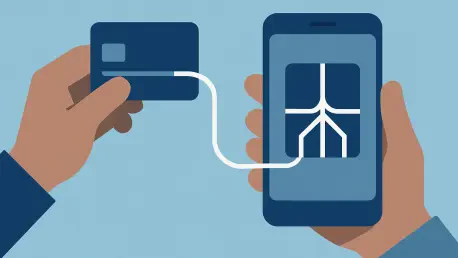
Imagine you’re a shopper using the OnePay app. You make a purchase with your OnePay debit card, say for a new piece of furniture or an expensive gadget. A day or two later, you realize that money would be better used for an unexpected bill. That’s where this feature truly shines. You can simply open the app, find that recent transaction, and with a “swipe,” convert it into an installment plan. The original purchase amount is then credited back to your deposit account, almost like a refund. This provides an incredible sense of control and a financial safety net. Unlike at-checkout financing, which requires a decision in the heat of the moment, this gives you the power to rethink your cash flow after the fact, turning an everyday debit transaction into a flexible payment plan when you need it most.
This feature is a partnership with OnePay, which is backed by the retail giant Walmart. What are the strategic advantages of this collaboration for Klarna’s market penetration, and how does this align with its goal of meeting consumers wherever they choose to pay?
This partnership is a masterstroke for Klarna. Aligning with OnePay, and by extension its backer Walmart, provides an immense and immediate channel to a massive consumer base. It’s about embedding Klarna’s services directly into a financial ecosystem that people are already using for their daily banking and shopping. This is the very definition of meeting consumers “wherever they choose to pay,” as their CCO, David Sykes, put it. Instead of just being an option at checkout, Klarna becomes an integrated part of a user’s primary financial tool—their debit card. The strategic benefit is twofold: it dramatically expands Klarna’s reach and normalizes post-purchase financing, making it a ubiquitous, always-on option rather than a specialized checkout tool.
After a consumer makes a debit purchase, what is the time window for them to convert it into an installment plan? Could you please explain the underwriting process for these after-the-fact loans and the specific measures in place to ensure responsible lending?
The company has been quite tight-lipped about the specific time window for converting a purchase, only stating it applies to “recent” transactions. This ambiguity likely allows them to refine the model. As for underwriting, this is where it gets interesting. Since the purchase has already occurred, the risk assessment happens retroactively. Klarna would leverage its sophisticated data models, likely looking at the user’s transaction history with OnePay, their credit profile, and their repayment history with any previous Klarna loans. Responsible lending is paramount here. The decision to approve the conversion would be based on an assessment of the customer’s ability to repay, ensuring they aren’t offering credit to those who are already overextended. This isn’t just about providing flexibility; it’s about providing it sustainably.
The announcement mentions that users can convert purchases made anywhere OnePay’s Mastercard is accepted. What specific loan structures will be available? Will they be interest-free pay-in-four plans, longer-term financing, or a mix, and what factors might determine a user’s options?
This is a critical point where the details are still emerging. Klarna’s existing portfolio offers a blueprint for what we can expect. They have a history of providing both the classic, interest-free “pay-in-four” installments for smaller amounts, as well as longer-term financing options that do accrue interest for larger purchases. It’s highly probable they will offer a mix. The specific options available to a user will almost certainly be determined by factors like the purchase amount, the user’s creditworthiness, and their history within the Klarna and OnePay ecosystems. A smaller, everyday purchase might default to a simple pay-in-four, while a more significant expense could unlock options for a 12 or 24-month interest-bearing loan. This tiered approach allows them to manage risk while maximizing flexibility for the consumer.
Klarna has increasingly offered banking services, such as deposit accounts and debit cards. How does this after-purchase financing feature fit into your broader strategy to compete with traditional banks and establish Klarna as a “global digital bank”?
This feature is a cornerstone of their ambition to become a “global digital bank.” It’s a direct assault on the traditional model of credit. Banks offer credit cards; Klarna is now offering a debit card with credit-like features built-in. By adding post-purchase financing to a suite of services that already includes deposit accounts and a debit card, Klarna is blurring the lines between a fintech payments company and a full-service financial institution. It transforms a simple debit card into a dynamic financial management tool. This move allows them to capture a customer’s entire financial life—from deposits and daily spending to borrowing—creating a sticky ecosystem that makes traditional banks feel rigid and outdated by comparison.
What is your forecast for the Buy Now, Pay Later industry?
I believe we’re seeing the next evolution of the industry, moving from a product to a feature. BNPL is no longer just a button at an e-commerce checkout. It’s becoming deeply integrated into the entire financial fabric—within debit cards, banking apps, and even peer-to-peer payment systems. The future isn’t about standalone BNPL apps; it’s about embedding this flexibility into the tools people use every day. Companies that succeed will be those, like Klarna, that successfully position themselves as comprehensive financial partners, offering a seamless, all-in-one experience that makes managing money more intuitive and adaptable to real-life needs. The lines between banking, payments, and credit will continue to dissolve, and consumers will be the ultimate beneficiaries of this intensified competition.