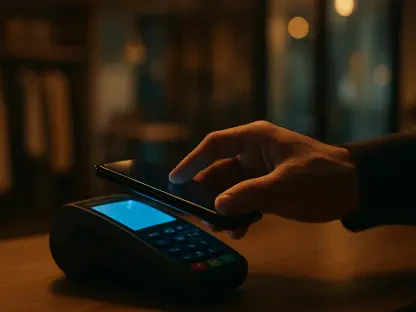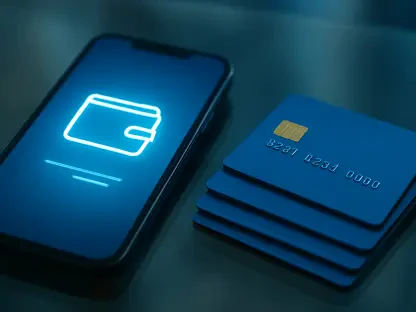

The tangible weight of a premium payment card currently serves as a definitive anchor of trust in an increasingly virtualized global financial landscape where digital interfaces often feel transient and ephemeral to the average consumer. Modern finance evolved beyond the simplistic debate of digital versus physical, recognizing that a hybrid phygital approach satisfies a deep-seated human need for tactile security while maintaining the speed of digital ecosystems. Financial institutions discovered that physical assets act as a vital bridge, grounding the abstract nature of mobile banking in a physical reality that users can touch.
Sensory branding became a primary driver for customer acquisition as banks integrated sophisticated mobile interfaces with physical touchpoints to redefine the onboarding experience. By turning a routine account opening into a high-engagement event, firms are now able to shape brand perception from the very first interaction. When a customer receives a well-crafted physical card, the psychological connection to the institution strengthens significantly, creating a sense of belonging that a purely digital credential rarely achieves in the long term.
The Convergence of Physical Assets and Digital Ecosystems in Modern Finance
The shift from a digital-only banking paradigm toward a phygital model highlights the resilience of the physical card as a tangible symbol of financial reliability. While mobile wallets offer convenience, the physical card remains a persistent reminder of the banking relationship every time a wallet is opened. This physical presence serves as a constant touchpoint for brand recall, ensuring that the bank remains at the center of the consumer’s financial life.
Institutions are now leveraging this convergence by integrating mobile apps with physical card delivery to create a seamless journey. For instance, the use of interactive triggers during the unboxing process allows customers to move effortlessly between the physical product and digital management tools. This integration ensures that the onboarding experience is not a fragmented series of steps but a unified narrative that reinforces the bank’s technological and human-centric values.
Emerging Trends: Hyper-Personalized Card Design and Sustainable Materials
The rise of AI-powered customization tools allowed users to generate unique card aesthetics that reflect their personal identities and lifestyles. Consumers now utilize generative design platforms to create bespoke artwork, transforming a standard financial tool into a statement of individuality. This transition shifted the role of the payment card from a mere transactional utility toward a personal accessory that users are proud to display during social interactions.
Environmental consciousness also reshaped material choices, with many institutions moving from traditional plastics to sustainable alternatives like wood and recycled ocean materials. These choices serve as a physical manifestation of a bank’s commitment to social responsibility, appealing to a growing demographic that demands ethical alignment from their providers. A premium unboxing experience characterized by eco-friendly textures and minimal waste has become a powerful tool for building long-term brand loyalty.
Market Projections: The Resilience of Physical Payment Formats
Market data from 2026 to 2030 indicates a sustained growth in hybrid card programs that combine digital-first accessibility with physical-second delivery. Forecasted activation rates for cards utilizing interactive NFC-enabled packaging suggest that physical engagement remains a critical component of the customer lifecycle. Analysts observed a direct correlation between physical card ownership and higher customer retention rates, proving that the tangible asset is a key differentiator in the fintech sector.
Investment in AI-driven onboarding systems is projected to increase through the end of the decade as banks seek to remove friction from the phygital journey. This trend reflects a widespread industry consensus that the physical format is not a legacy burden but a strategic asset. Despite the expansion of invisible payments, the physical card continues to thrive by adapting to new technological requirements and consumer expectations.
Overcoming Structural Hurdles and Operational Friction
Integrating real-time card customization into legacy supply chains presented significant logistical complexities that required a complete rethink of manufacturing processes. The demand for immediate issuance often clashed with the precision required for high-quality materials and unique AI-generated designs. However, the adoption of localized fulfillment strategies helped banks mitigate these delays, ensuring that the gap between a digital application and physical delivery remains as narrow as possible.
The activation gap between receiving a card and its first use was further reduced by implementing digital triggers that incentivize immediate engagement. Balancing the cost of premium physical materials with the market demand for low-fee issuance required a strategic shift in how institutions allocate their marketing and operational budgets. Ensuring seamless data synchronization between physical transaction points and digital analytics engines remained a priority to provide a cohesive experience.
Security Standards: The Regulatory Framework of Phygital Issuance
Maintaining compliance with global data protection standards like GDPR and CCPA became more intricate during the personalization process. Institutions had to secure the transmission of sensitive user-generated data to manufacturing partners while ensuring that privacy was never compromised. The role of EMV standards and biometric authentication grew in importance, providing a robust layer of security that protects both the physical card and its digital twin.
Regulatory considerations for AI-generated card artwork also emerged as a vital topic for legal departments focused on intellectual property rights. As more cards featured machine-generated designs, the industry had to establish clear guidelines regarding ownership and usage. Furthermore, new sustainability regulations dictated stricter rules for the manufacturing and disposal of payment hardware, forcing a shift toward fully circular product lifecycles.
The Future Landscape of Integrated Financial Touchpoints
Augmented reality is set to revolutionize the card unboxing process by overlaying digital tutorials and personalized offers onto the physical package. This transition from static cards to smart, sensor-laden hardware will introduce dynamic security features that adapt to the user’s environment in real-time. The Internet of Things will further blur the lines between physical cards and digital wallets, allowing a single hardware asset to interact with a vast network of connected devices.
Anticipating global economic shifts, banks continued to refine their premium tangible products to meet the demand for high-value banking experiences. The influence of these shifts ensured that the physical card evolved into a sophisticated technological tool rather than fading into obsolescence. These innovations secured the card’s place as the most versatile and secure touchpoint in the modern financial ecosystem.
Strategic Imperatives: A New Era of Customer Engagement
The industry report confirmed that a phygital approach effectively synthesized the benefits of digital speed and physical trust. Financial institutions that prioritized the unboxing moment as a critical marketing channel achieved a significant competitive advantage. These organizations recognized that the physical card remained the most potent symbol of the banking relationship, providing a sense of permanence that digital screens could not replicate.
The strategic transition toward integrated touchpoints provided a clear roadmap for long-term loyalty and operational efficiency. Banks that mastered the balance between human-centric design and advanced technology were the ones that thrived in the evolving market. Ultimately, the synthesis of physical and digital worlds proved to be the most effective way to build a foundation of trust and engagement in the modern era.