

By reducing the evaluation time for distressed real estate from twenty-four hours to just three seconds, the AIFF engine is fundamentally altering the pace of institutional investment cycles. This technological advancement comes at a vital moment as the property market navigates significant

The landscape of the South Korean financial sector is undergoing a profound transformation as the competitive gap between digital-only challengers and established commercial giants begins to widen in an unexpected direction. For several years, internet-only banks like Kbank, KakaoBank, and Toss

South Korea is executing a preemptive response to worsening financial conditions by moving the burden of corporate insolvency away from small suppliers and toward larger entities. This strategic shift, led by the Financial Services Commission (FSC) under Chairperson Lee Eog-weon, centers on a

The integrity of the global financial system depends on the accurate reporting of risk, yet recent allegations suggest that even the most established lenders may be testing the boundaries of transparency. The Bank of England’s Prudential Regulation Authority (PRA) has launched an investigation into
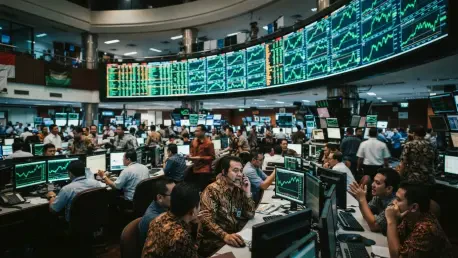
The Indonesian financial landscape is currently defined by a striking divergence between fundamental operational strength and the equity market valuations that have failed to keep pace with growth. Despite a period of significant volatility and persistent foreign capital outflows that have

The recent enactment of Federal Law No. 282-FZ introduces a classification system for retail investments to mitigate systemic financial risks within the country. This legislative milestone signals a profound shift in how the Kremlin perceives the role of decentralized finance in a modern economy.