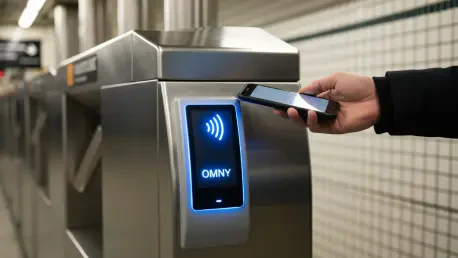

The iconic yellow and blue card that has served as the key to New York City for millions of commuters is officially entering its final chapter, as the Metropolitan Transportation Authority (MTA) mandates a full transition to its modern contactless payment system. After December 31, 2025, the MetroCard will no longer be available for purchase or refill, bringing an end to a three-decade era. It is being replaced by OMNY (One Metro New York), a system that allows riders to pay fares by simply tapping a credit card, smartphone, or smart device at the turnstile. This monumental shift represents more than just a technological update; it is a fundamental rethinking of how New Yorkers interact with the lifeblood of their city. While the move promises greater efficiency and cost savings, it also forces a city-wide conversation about the true cost of progress, raising critical questions about privacy, accessibility, and the potential for a new digital divide in public transit. The transition is not merely about replacing plastic with pixels but about navigating the complex social implications of embedding advanced technology into an essential public service.
The Inevitable March of Modernization
From Tokens to Taps a Technological Leap
The adoption of the OMNY system has been remarkably swift and comprehensive, reflecting a decisive move towards modernizing the city’s transit infrastructure. Since its initial rollout in 2019, the platform has seen exponential growth, now processing over 90% of all subway and bus fares across the five boroughs. This rapid integration underscores the system’s technical efficiency and user convenience, which allows for a seamless “tap-and-go” experience that eliminates the need to wait in line at vending machines. From the MTA’s perspective, the benefits are substantial and clear. The agency projects annual savings of at least $20 million by phasing out the production, distribution, and maintenance of MetroCards and the complex machinery required to support them. Furthermore, OMNY introduces rider-friendly features like a weekly fare cap, where users who tap the same payment method are automatically granted unlimited rides for the rest of the week after paying for 12 trips. This transition brings New York into alignment with other major global hubs like London, Singapore, and Chicago, which have long since embraced similar contactless payment technologies to streamline their public transportation networks.
A Fond Farewell to a Cultural Icon
While OMNY represents the future, the MetroCard it replaces is deeply embedded in the cultural fabric of New York City. When it was introduced in 1994, the MetroCard was itself a revolutionary advancement, replacing the century-old subway token and fundamentally changing how New Yorkers moved. Over the decades, it evolved from a simple utility into a canvas for art, a commemorative token, and a collectible piece of city memorabilia. Limited-edition designs celebrating everything from the opening of the Second Avenue Subway to collaborations with artists and brands like Supreme transformed the humble fare card into a sought-after artifact. These special editions became cultural touchstones, reflecting the city’s dynamic character and events. For many long-time residents, the card is synonymous with life in the city—a tangible object that has been a constant companion through daily commutes, late-night journeys, and countless adventures. Its phase-out is therefore met with a sense of nostalgia and loss, as the familiar act of swiping is replaced by an impersonal tap. This sentiment highlights the human connection to physical objects and the worry that in the push for efficiency, a small but meaningful piece of the city’s identity is being left behind.
The Human Element in a Digital Transition
Navigating the Digital Divide
Despite the technological advantages of OMNY, its mandatory implementation raises significant concerns about equitable access for all New Yorkers. The system’s reliance on contactless credit cards and smart devices inherently creates barriers for certain segments of the population. Elderly riders, who may be less comfortable with digital technology or may not own a smartphone, could find the new system confusing and difficult to navigate. Similarly, the city’s unbanked and underbanked communities, who have traditionally relied on cash to purchase and refill MetroCards, face a new hurdle in accessing public transit. While the MTA has made OMNY-specific physical cards available for purchase with cash at retail locations, the convenience and ubiquity of the old MetroCard vending machines in every station will be gone. This shift in accessibility has sparked apprehension among residents and advocacy groups who worry that the transition could inadvertently alienate the very populations who depend most on public transportation. The testimonials from long-time commuters express a shared concern that in the race to modernize, the system may become less inclusive, prioritizing tech-savvy riders over those who are more vulnerable.
Privacy and Security in the Age of OMNY
The transition to a fully digital payment system brings with it pressing questions about data privacy and the potential for increased surveillance. Unlike the anonymous cash transaction of buying a MetroCard, every OMNY tap is linked directly to an individual’s credit card or digital wallet. This creates a detailed, permanent record of a rider’s travel history, including specific times and locations of entry into the subway or bus system. For privacy advocates, this centralized collection of movement data by a government authority is a major cause for concern. The MTA now holds a vast trove of personally identifiable information that could potentially be used for purposes beyond fare collection, such as tracking individuals’ movements or being shared with law enforcement agencies without a warrant. While the MTA has stated its commitment to protecting rider data, the existence of such a comprehensive database presents a tempting target for data breaches and raises fundamental questions about the balance between convenience and personal privacy. This trade-off is at the heart of the debate, forcing New Yorkers to consider how much personal information they are willing to surrender in exchange for a more streamlined commute.
A City’s Transit System at a Crossroads
The city’s complete transition away from the MetroCard marked a definitive step into a new technological era. This shift, driven by the promise of efficiency and modernization, ultimately revealed the intricate balance required to innovate within a public system designed for universal access. The widespread adoption of OMNY streamlined operations and brought New York’s transit payment infrastructure in line with global standards, but the journey was not without its friction. The concerns voiced by community advocates regarding the digital divide and data privacy became central to the implementation, forcing a more thoughtful rollout that included expanded access to physical OMNY cards and clearer policies on data usage. In retrospect, the phasing out of the MetroCard was more than a technical upgrade; it was a societal test that highlighted the necessity of embedding equity and security into the core of technological progress, ensuring that the city’s arteries remained open to everyone, regardless of their technological fluency or economic status.