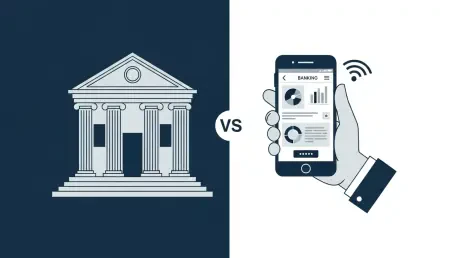

The once-unshakable presence of the neighborhood bank, a cornerstone of main streets and a symbol of community stability, is rapidly diminishing as institutions pivot toward a digital-first future. This transformation, driven by a seismic shift in consumer habits, is forcing a radical reevaluation of the role and necessity of physical branches. As major banks like Santander announce significant closures, citing overwhelming digital engagement, a critical question emerges about the future of accessible banking. The move to close 44 branches, impacting hundreds of jobs, is not an isolated event but rather the latest chapter in a broader industry narrative. While banks point to data showing that the vast majority of transactions now occur online or via mobile apps, this efficiency-driven strategy leaves behind a trail of concern. For many, particularly vulnerable populations, the local branch is more than a place to deposit checks; it is a vital lifeline for financial management, personalized advice, and a human connection in an increasingly automated world. This ongoing overhaul of the banking network signals a fundamental challenge: how to reconcile the undeniable convenience of digital platforms with the enduring need for in-person service and community presence.
The Rationale Behind the Retreat
A Customer-Led Digital Migration
The primary justification for the wave of branch closures is an undeniable and dramatic evolution in how customers manage their finances. Banking institutions report a steep decline in foot traffic as consumers increasingly embrace the convenience of digital services. Data from Santander, for example, reveals that a staggering 96% of all its customer transactions are now processed digitally, a figure that underscores the profound change in banking behavior over the last decade. This migration is not limited to simple balance inquiries; customers are now comfortable performing complex tasks such as applying for loans, setting up new accounts, and managing investments entirely through online portals and mobile applications. Concurrently, the use of physical cash has waned, further reducing the need for in-person teller services. This digital-first preference has created a new operational reality for banks, where maintaining extensive networks of large, full-service branches is no longer economically viable. The high overhead costs associated with these physical locations stand in stark contrast to the efficiency and scalability of their digital counterparts, prompting a strategic reallocation of resources toward bolstering online security, improving app functionality, and developing new digital products.
Reimagining the Physical Footprint
In response to the shifting landscape, banks are not merely closing branches but are actively experimenting with new, more flexible models for in-person service. The traditional, large-format branch is giving way to smaller, more agile alternatives designed to maintain a physical presence at a reduced cost. Santander’s plan to introduce “Santander Locals” and participate in shared banking hubs is indicative of this industry-wide trend. These hubs, often staffed by “community bankers” who represent multiple institutions, aim to provide essential services like cash deposits, withdrawals, and general assistance in areas where dedicated branches are no longer sustainable. This approach allows banks to pool resources and serve communities collectively, preserving access to face-to-face support for those who need it most. The strategy is twofold: it acknowledges that a segment of the population still relies on personal interaction while simultaneously freeing up capital to invest more heavily in the digital infrastructure that the majority of customers now prefer. This hybrid model represents a calculated effort to balance the digital imperative with the lingering, and in some cases critical, demand for a human touch in banking.
The Widening Cracks in Community Access
The Human Cost of Digital Progress
While the strategic logic behind branch closures is clear from a corporate perspective, the impact on local communities is often severe and disproportionate. The disappearance of a neighborhood bank creates significant hurdles for vulnerable populations who are less equipped to navigate the digital transition. Older residents, many of whom are not comfortable with or lack access to the necessary technology, rely on the personal assistance of branch staff to manage their finances securely. Similarly, small business owners depend on local branches for daily cash deposits, change orders, and relationship-based support that cannot be replicated by an app or a call center. For individuals in rural areas with unreliable internet connectivity, online banking is not a choice but an impossibility. The removal of these essential services can lead to financial exclusion, leaving a significant portion of the community without a practical means to conduct their banking. Furthermore, the closure of a bank often has a ripple effect on the local economy. As anchor tenants on the high street, banks drive foot traffic that benefits surrounding retailers. Their departure can contribute to the decline of commercial centers, creating a void that is difficult to fill and accelerating the hollowing out of community hubs.
An Industry at a Crossroads
The trend of branch rationalization extends far beyond a single institution, representing a systemic shift across the entire banking sector. Competitors like Lloyds Banking Group are pursuing similar strategies, shuttering dozens of locations across their various brands in a concerted effort to streamline operations and align with modern consumer behavior. This industry-wide movement is fueled by the universal and seemingly unstoppable momentum of digital banking, which offers unparalleled efficiency, lower operational costs, and the convenience that a new generation of customers demands. However, this relentless march toward digitalization places the industry at a critical crossroads. The core challenge for every major financial institution is to find a sustainable equilibrium between the efficiency of technology and the necessity of accessible, human-centered service. As the last of these 44 Santander branches prepare to close their doors on scheduled dates throughout 2026 and 2027, it marks another definitive step in the transformation of Britain’s high streets. The decisions being made today will ultimately define the future of retail banking and determine whether the industry can innovate without leaving its most vulnerable customers behind.
A Conclusive Shift in the Banking Paradigm
The closure of these branches marked a pivotal moment in the evolution of retail banking, solidifying the industry’s decisive pivot toward a digital-first model. This transition, while framed as a response to customer demand, fundamentally reshaped the relationship between banks and the communities they once anchored. The strategic retreat from the high street was not merely a reduction in physical assets but a redefinition of service, accessibility, and corporate responsibility. For millions, the convenience of 24/7 digital access became the new standard, rendering the traditional branch obsolete. Yet, for a significant minority, this shift erected new barriers, leaving them to navigate a financial landscape that was suddenly less familiar and more difficult to access. The industry’s move toward shared hubs and smaller-format locals offered a partial solution, but it never fully replicated the dedicated, relationship-based service of a neighborhood branch. Ultimately, this period was remembered as the end of an era, a time when the digital tide irrevocably altered the physical fabric of towns and cities, leaving behind a legacy of both progress and exclusion.