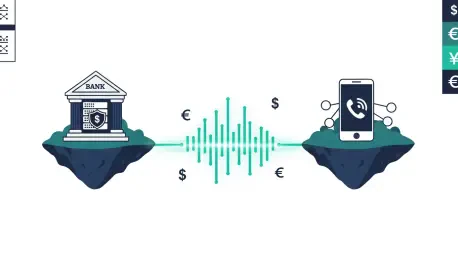

The rapid convergence of traditional financial institutions and agile mobile service providers has fundamentally altered how citizens and expatriates in the Sultanate of Oman manage their daily transactions and international remittances. As the banking sector undergoes a profound digital metamorphosis, the strategic alliance between Sohar International and Friendi Pay stands as a testament to the shifting landscape of regional finance. This partnership is not merely a technical integration but a structural shift that addresses the growing demand for frictionless digital experiences. By leveraging the extensive telecommunications reach of Friendi Pay with the robust financial infrastructure of Sohar International, the duo is poised to capture a significant share of the retail payment market. This move signals a broader trend where banks are no longer siloed entities but active participants in an interconnected ecosystem designed to facilitate instant money transfers for a diverse demographic.
Strategic Impact
Wallets
The technical architecture supporting the Friendi Pay platform allows users to bypass many of the bureaucratic hurdles traditionally associated with international wire transfers. By utilizing the liquidity and regulatory framework provided by Sohar International, the mobile wallet offers a streamlined interface that appeals to a tech-savvy generation seeking efficiency over legacy processes. This synergy ensures that every transaction is backed by the security of a major commercial bank while maintaining the speed of a digital-first mobile application. Furthermore, the collaboration enables a deeper level of data synchronization, allowing for more personalized financial products based on user spending and saving patterns. This integration effectively transforms a standard mobile subscription into a comprehensive financial tool, reducing the reliance on physical branch visits as more residents adopt these integrated solutions. The blurring lines between telecom and banking sectors foster a cohesive economy.
Users
Enhancing the user experience involves more than just a functional app; it requires a robust backend capable of handling high-volume traffic without latency issues. The partnership focuses heavily on optimizing the API layers that connect Friendi Pay’s front-end with Sohar International’s core banking systems. This optimization ensures that funds are moved with precision and that regulatory compliance, such as Know Your Customer protocols and anti-money laundering checks, are automated and transparent. For the consumer, this translates to a reliable service that functions twenty-four hours a day, catering to the immediate needs of workers who send money back home. The ability to offer competitive exchange rates and low transaction fees through this direct channel provides a significant advantage over independent exchange houses. Consequently, this model serves as a blueprint for future collaborations where established banks provide the stability needed for fintech startups to scale.
Growth
Access
A critical component of this deal is its potential to bring thousands of previously underbanked individuals into the formal financial system. In many parts of the region, expatriate workers often face challenges in opening traditional bank accounts due to minimum balance requirements or complex documentation. Friendi Pay, supported by Sohar International’s licensing, lowers these barriers by offering an intuitive entry point that requires minimal physical presence. This inclusive approach not only benefits the individuals by providing a safe place to store and move money but also strengthens the national economy by increasing the volume of tracked financial activity. By fostering a sense of financial security among the migrant workforce, the Sultanate reinforces its position as a progressive hub for labor and investment. The ripple effect of this inclusion extends to small and medium enterprises, which can now tap into a more digitally active consumer base that is comfortable with mobile-led commerce.
Future
The successful deployment of the Sohar International and Friendi Pay collaboration demonstrated that strategic agility was paramount for traditional banks seeking to maintain relevance. To capitalize on this momentum, financial institutions prioritized the modernization of their legacy systems to support seamless third-party integrations. This transition required a shift in mindset, viewing fintech firms as essential partners rather than competitors. Regulators also played a crucial role by providing frameworks that encouraged innovation while safeguarding the integrity of the financial system. For businesses looking to follow this path, the primary takeaway was the necessity of putting user convenience at the center of product development. Looking ahead, the focus moved toward expanding these digital ecosystems to include cross-border merchant payments and blockchain-based settlement systems. Oman successfully positioned itself as a leader in the regional digital economy, ensuring its infrastructure remained robust.