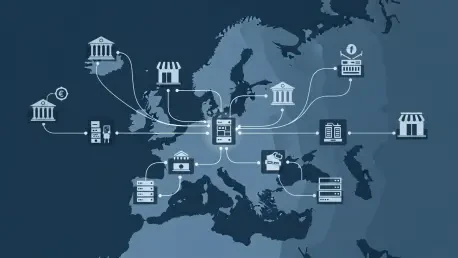

The European financial landscape is undergoing a profound transformation as the European Central Bank seeks to anchor public trust in a digital world through the issuance of its own central bank digital currency. This initiative is a strategic move to ensure European financial sovereignty in a market increasingly dominated by non-European private entities.
By providing a risk-free alternative to commercial money, the digital euro aims to maintain the role of public money as the monetary anchor for the Eurozone. This evolution reflects a necessary adaptation to modern consumer demands for secure and efficient electronic transactions.
Introduction to Central Bank Digital Currency in Europe
The digital euro serves as a central bank digital currency designed to mirror the safety and accessibility of physical cash in an electronic format. It addresses the shift toward a cashless society while reinforcing sovereignty against foreign private payment platforms.
This currency functions as a direct claim on the central bank, guaranteeing stability. Unlike private assets, it ensures all citizens have access to a public means of payment that is free for basic personal use.
Core Operational Framework of the Pilot Program
Distributing and Acquiring Functional Roles
The model utilizes a dual-layer approach where payment service providers manage user accounts and transaction execution. These intermediaries ensure that the digital currency is accessible to the general public through familiar banking interfaces.
Meanwhile, acquiring banks focus on merchant integration to ensure acceptance at physical and digital retail locations. This division of labor allows the system to scale efficiently by leveraging existing private sector expertise.
Technical Standardization and Interoperability
Developers rely on ISO 20022 standards and collaboration with groups like the Berlin Group to ensure the system integrates with existing rails. This avoids technical silos and promotes a unified payment experience across different nations.
The project also coordinates with the European Cards Payment Cooperation to align with established contactless protocols. Such technical synergy is vital for the currency to function as a seamless daily payment tool.
Recent Advancements in the Preparatory Phase
Thirty-six providers have been selected to enter a 12-month testing environment starting in late 2027. This group represents a wide geographical spread, ensuring the pilot reflects the diverse needs of the entire euro area.
This phase reflects a pivot toward digital-first consumer behaviors and helps the ECB refine its methodology. The testing period serves as a crucial final check of system resilience before any formal issuance takes place.
Real-World Applications and Transaction Use Cases
Testing focuses on person-to-person transfers and retail payments in both online and physical settings. These scenarios help evaluate the speed and reliability of the ledger under real-world conditions.
A standout feature is the offline capability, allowing users to transact without an internet connection. This mirrors the utility of traditional cash and provides a vital fallback for regions with poor connectivity.
Strategic Challenges and Adoption Barriers
Current hurdles include the lack of legal tender status during the pilot and the difficulty of balancing privacy with regulatory oversight. Establishing a legal framework is a complex process that requires consensus among various stakeholders.
The beta version aims to address these limitations through refined system functionality. Developers must continue to innovate to ensure that privacy protections do not compromise anti-money laundering efforts.
Future Roadmap for the Digital Euro
Formal issuance is expected in the late 2020s, potentially introducing programmable payment features. Such advancements could enhance financial inclusion and provide long-term stability for the European economy.
These developments will likely foster a more competitive payment landscape. By allowing for automated transactions, the digital euro could significantly reduce operational costs for businesses across the continent.
Summary of the Pilot Program Review
The review demonstrated that the project successfully identified the technical requirements for a scalable digital currency. It was clear that collaboration with the private sector remained essential for future adoption and operational success.
Strategic focus then turned toward legislative frameworks to ensure the digital euro could thrive in a competitive market. The pilot effectively laid the groundwork for a more modern and inclusive European payment ecosystem.