

Users are currently forced to navigate a total blackout of digital services, leaving them unable to perform even the most basic financial inquiries or balance checks. The Bank of the Philippine Islands, a dominant force in the Southeast Asian banking sector, initiated a widespread maintenance

Providing AI assistants with write access to financial accounts could leave individuals liable for any losses incurred during a security breach. As artificial intelligence evolves into proactive personal agents capable of managing credit card balances and paying monthly bills, the line between

Financial institutions are struggling to create clear audit trails for actions taken by third-party agents that operate through the front-door login of traditional login pages. This shift marks a departure from the historical security model that relied on the assumption that only human users would

Maybank’s regional rollout of ServiceNow technology begins in Malaysia and Singapore to address the complex regulatory landscapes and infrastructure variances of Southeast Asia. This strategic five-year partnership represents a fundamental shift in how the financial giant manages its digital
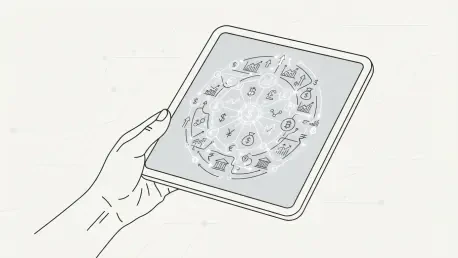
The strategic acquisition of Treezor by Shares illustrates a growing trend where fintech scale-ups view established infrastructure as a vital asset for long-term survival. This movement signifies a departure from the experimental phase of the last few years, moving toward a period defined by

The inability of human resources managers to process payroll for employees in provincial areas during the bank’s outage underscores the human cost of digital infrastructure failure. This operational collapse at Haiti’s Capital Bank has sent shockwaves through the Caribbean financial sector,
1 2 3 4 5 6 7 8 9 10 11 12 13 14 15 16 17 18 19 20 21 22 23 24 25 26 27 28 29 30 31 32 33 34 35 36 37 38 39 40 41 42 43 44 45 46 47 48 49 50 51 52 53 54 55 56 57 58 59 60 61 62 63 64 65 66 67 68 69 70 71 72 73 74 75 76 77 78 79 80 81 82 83 84 85 86 87 88 89 90 91 92 93 94 95 96 97 98 99