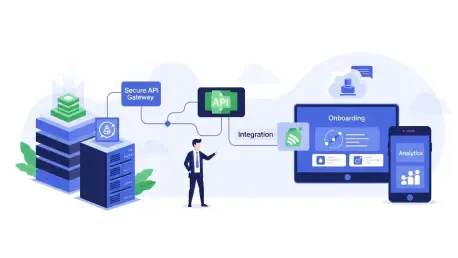

Forte Bank, founded in 1907, is taking a decisive leap in its modernization journey by selecting CSI’s NuPoint core and the Apiture digital platform to power both its four community branches and its growing online channels. In this conversation, we unpack why the bank chose CSI, how it will phase its rollout and data migration, and where enhanced commercial capabilities will shape pricing, profitability, and governance. We also explore unified customer views that bridge retail and business relationships, frontline analytics, API-driven delivery, resilience and third‑party risk, and the cultural shifts following Apiture’s acquisition last year. Throughout, we ground the strategy in pragmatic execution: phased conversion across four locations, omnichannel consistency, and an insistence on measurable outcomes that respect customer trust.
What tipped the decision to select CSI as your core provider, what alternatives did you weigh, and which hard metrics—cost-to-serve, time-to-market, cross-sell lift—are you targeting in year one?
We chose CSI because the combination of NuPoint and Apiture gave us an integrated path to a unified relationship view and faster feature delivery without stitching together multiple vendors. We evaluated other core and digital pairings but kept coming back to how naturally NuPoint’s commercial capabilities pair with an API-driven front end. Our year-one focus is on measurable reductions in operational friction and faster launch cycles—especially where our four branches and online channels intersect—rather than chasing vanity metrics. As a bank serving our community since 1907, we also needed a partner that respects our brand promise; that “feel” came through in workshops where the teams solved problems with us, not at us.
How will you phase the NuPoint rollout across four community branches and online, what’s the data migration plan, and how are you mitigating conversion risk and downtime?
We’re sequencing by complexity and customer impact: one branch and digital pilots first, then the remaining three branches in tight waves with a clear “pause-and-learn” between each. Our migration plan uses parallel data validation passes and dress rehearsals so core tables and customer hierarchies reconcile before we flip. We’ll run side-by-side for a short window on high‑risk processes and keep online channels read‑only during the brief cut steps, with warm support rooms and on‑site floorwalkers. Because we’ve served customers since 1907, we owe them a calm cutover; we’ll over-communicate and accept a slower cadence if it lowers risk.
Enhanced commercial capabilities promise deeper profitability insights and flexible pricing tools; can you walk through a real pricing scenario, the data signals you’ll use, and the governance around overrides?
Picture a small manufacturer with both operating accounts and a line of credit, plus incoming ACH volumes that surge mid‑month. NuPoint helps us see relationship-level profitability and fee elasticity, so we can tier pricing if balances and treasury usage hit defined bands and adjust line pricing based on utilization trends. Overrides require a documented rationale, risk sign‑off, and time-bound review, with automated alerts if margins drift. We’re intentional here: our four-branch bankers need room to serve neighbors, but governance keeps pricing decisions fair, auditable, and consistent.
With a unified customer view, how will you link retail and business relationships, what data model changes are required, and how will you balance personalization with privacy and consent management?
We’re moving from account-centric to relationship-centric hierarchies where we can represent owners, guarantors, and related entities under one umbrella. That requires new keys and roles so retail and business linkages are explicit and portable to digital. Personalization will be consent-led; we’ll surface clear controls in the app so customers choose when their retail behavior informs business recommendations. The north star is trust—we’ve been around since 1907 because the community knows we respect their choices and their data.
What new reporting and dashboards will frontline teams get, how often will they refresh, and can you share a past example where better analytics directly changed an offer, fee, or limit?
We’re giving bankers a daily relationship snapshot with profitability, recent interactions, and notable life-cycle flags they can act on in the moment. Commercial officers will see portfolio drill‑downs with risk and pricing guardrails that translate policy into simple prompts. In a prior analytics refresh, we noticed seasonal cash swings for a contractor and replaced ad‑hoc fees with a tailored treasury bundle; satisfaction rose, and account stickiness followed. Across four branches, those small, data‑guided gestures feel human because they solve a real, seen need.
For the Apiture digital experience, how will consumer and business journeys differ, what will onboarding look like step by step, and which conversion or drop-off metrics will you watch weekly?
Consumer journeys will be streamlined—fewer choices, clearer language—while business flows will expose entitlements, multi‑user setup, and payments features up front. Onboarding steps will be identity verification, funding, and immediate feature activation, with contextual nudges that don’t overwhelm. Weekly we’ll watch where applicants hesitate—document upload, funding, or entitlements—and we’ll fix the friction quickly. Because we serve customers in-branch and online, we’ll test these flows with real customers from our four communities before wide release.
An API-driven architecture speeds feature delivery; how will you manage versioning and partner onboarding, what security patterns (token scopes, mTLS) will you use, and what time-to-market reduction do you expect?
We’ll publish a versioned API catalog with deprecation windows and a sandbox so partners can self‑serve and we don’t block on meetings. Security will hinge on scoped tokens, mTLS for sensitive integrations, and signed eventing so we trust the handshake end-to-end. Partner onboarding gets a checklist—use cases, data minimization, and go‑live gates—so day‑two support isn’t an afterthought. With Apiture integrated into CSI’s suite last year, we expect fewer handoffs and cleaner pipelines from core to digital.
How are you preparing staff for the new platforms, what training and role changes are planned for lenders and branch teams, and can you share an anecdote from a pilot user?
We’re running role‑based learning paths: lenders focus on pricing and portfolio tools, while branch teams practice the unified customer view and digital troubleshooting. Shadow days pair champions with peers so skills stick when the lobby gets busy. A pilot banker told us that, for the first time, she could see a customer’s business relationship while helping with a retail question—she described it like “finally having the whole story on one screen.” In a four‑branch footprint, that kind of confidence travels fast.
Your offerings include mortgages, business loans, and lines of credit; how will NuPoint and Apiture support underwriting, pricing, and portfolio monitoring, and what turnaround-time improvements are you targeting?
NuPoint centralizes the data we need for underwriting and presents policy prompts that keep us inside our risk appetite while preserving judgment. Apiture closes the loop with digital document collection, status updates, and signature flows so customers don’t feel stuck in limbo. Portfolio monitoring is relationship-first, which matters when one guarantor spans both retail and business. We’ll measure cycle times rigorously, especially where a digital start hands off to one of our four branches for closing.
Community banks compete with megabanks and fintechs; how will you differentiate on service and data-driven advice, and what goals do you have for digital adoption, NPS, and cost per account?
Our edge is intimacy plus insight: neighbors serving neighbors, with analytics that surface timely, relevant actions. We’ll earn digital adoption by making the app feel like walking into a familiar branch—clear choices, fast answers, and a straight line to a human. We’ll keep NPS and cost signals in view but refuse to chase them at the expense of trust. After all, the reason people have chosen us since 1907 is the care behind every interaction.
What is your resilience strategy—RPO/RTO targets, active-active or warm standby, and failover testing cadence—and how will you handle cutover weekend communications with customers?
We’re aligning to CSI’s resilience patterns and validating them with our own tabletop and live-switch tests so business continuity isn’t theoretical. Our stance favors automated failover and clear playbooks, with special attention to payments windows and end‑of‑day posting. Cutover weekend will get a visible banner in online banking, lobby signage across all four branches, and a hotline with extended hours. We’ll follow up with plain‑English status notes so customers feel informed, not anxious.
Following the Apiture acquisition, new technology leadership is in place; how will architectural priorities, engineering culture, and platform operations change, and what commitments matter most to clients like you?
With Apiture integrated last year and leadership focused on architecture and platform operations, we expect tighter coupling between core data and digital experiences. The culture we want is one that ships thoughtfully—measured changes, crisp rollbacks, and honest postmortems. Operationally, clear SLAs and transparent roadmaps matter as much as features. The commitment we value most is simple: don’t surprise the bank or the customer.
With four branches and growing digital usage, how will you align in-person and online experiences, what role will branches play in complex sales, and how will you measure omnichannel consistency?
We’re designing flows so customers can start online, pause, and finish with a banker who can see the full context instantly. Branches will be the stage for complex needs—mortgages, business loans, and lines of credit—where advice and trust close the gap. We’ll track whether online intent converts in-branch and whether post‑branch servicing stays digital by choice. The goal is harmony: the same tone, options, and next steps whether you’re on Main Street or on your phone.
How are you addressing third-party risk and regulatory expectations, what vendor oversight and audit routines will you run, and how will you validate models or pricing algorithms introduced by the new platforms?
We’ll extend our vendor management with deeper due diligence, independent control testing, and documented remediation paths. Audit routines will include artifact reviews, access logs, and change management evidence so we can show—not just tell—our oversight. For models and pricing logic, we’ll validate inputs, monitor outcomes, and challenge drift with challenger analyses and governance committees. It’s the same discipline that’s kept a community institution like ours steady since 1907.
What does success look like in the first 12 months—key milestones, ROI targets, and adoption thresholds—and can you share an early customer story that would signal you’re on track?
Success is clean conversions across all four branches, stable digital operations, and bankers using the tools without coaching by the end of the first year. We’ll know ROI is real when fewer handoffs and clearer workflows show up as faster responses and happier customers. The story I want to hear is a small business owner who starts a treasury request online at night and finishes in‑branch the next morning with pricing that reflects their whole relationship. If that feels seamless to them, we’re on course.
What is your forecast for community bank core and digital modernization over the next three years?
I expect community banks to favor integrated core‑digital stacks that compress launch cycles and make unified customer views table stakes. The winners will blend local judgment with platform discipline—rolling out features in weeks, not quarters, and tuning them based on live feedback. Resilience, consent, and explainability will be non‑negotiable, especially as APIs expand partner ecosystems. And the banks that remember why people walked through their doors in 1907—care, clarity, and accountability—will carry that same feeling onto the screen and thrive.