
Markets dislike drama, yet monetary policy now sits inside a political crossfire where a Justice Department probe, a Senate stalemate, and a presidency’s impatience converge. The clash is not abstract: it touches interest rates, inflation expectations, and trust in the institutions that steer the economy. When the Fed’s leadership is questioned, borrowing costs, capital flows, and business confidence all feel the tremor.
This FAQ unpacks how a renovation project at the Fed’s headquarters became a flashpoint, why the Justice Department’s scrutiny matters, and how Senate politics complicate succession. Readers can expect clear answers on the accusations, the legal posture, the Senate bottleneck, and what all of this means for central bank independence and markets.
Key Questions
What Sparked the DOJ Probe Into the Fed’s Headquarters Renovation?
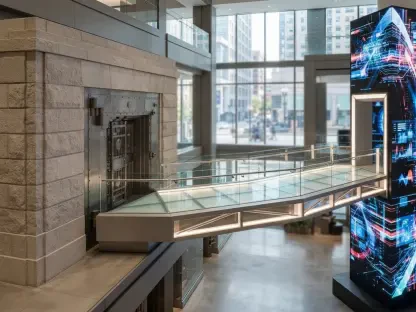
A planned overhaul of the Fed’s main building, estimated at about $2.5 billion, drew fire as excessive at a time when policymakers were already facing criticism over interest-rate choices. The administration recast the project as potential mismanagement or worse, framing the price tag as a symbol of unaccountable spending inside a powerful institution.
Investigators from the U.S. Attorney’s Office in D.C. visited the site, signaling an active inquiry. Yet a federal judge previously quashed subpoenas, concluding they appeared animated by a desire to oust the sitting chair rather than by neutral law-enforcement aims. That legal backdrop complicates the probe’s legitimacy and fuels arguments that the investigation intrudes on Fed autonomy.
Why Is Chair Jerome Powell’s Position Under Political Pressure?
The presidency renewed public attacks on Jerome Powell, calling him “incompetent” and pressing for lower rates. The rhetoric has escalated to threats of removal if Powell remained beyond his term’s end in May, despite longstanding norms that insulate the chair from political retaliation tied to policy outcomes.
Powell indicated he would serve pro tempore if no successor is confirmed, aiming to prevent a leadership vacuum. Former Fed chairs and Treasury secretaries have warned that removing a chair for policy disagreements would damage credibility, not just domestically but with global investors who prize an independent U.S. central bank.
How Does the Senate Factor Into the Succession Fight?
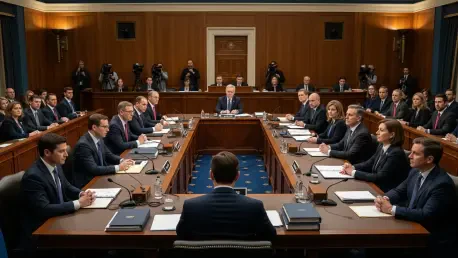
The Senate Banking Committee set an April 21 hearing for Kevin Warsh, the nominee to replace Powell, positioning the chamber as the fulcrum for continuity or change. Confirmation, however, runs through narrow margins and intricate committee dynamics that amplify even a single defection.
Republican Sen. Thom Tillis vowed to block any Fed nominee until the DOJ probe concludes, calling the investigation embarrassing and urging clarity before advancing leadership changes. The White House pressed him to relent, but his stance created a partisan bottleneck that could stall the nomination and keep Powell in place by default.
What Are the Broader Risks to Fed Independence and the Economy?
The spectacle risks normalizing direct political leverage over rate policy, weakening the Fed’s ability to manage inflation and stabilize employment. If market participants suspect decisions bend to short-term political goals, inflation expectations can unmoor, complicating the very task elected officials demand: sustainable growth with price stability.
Institutional veterans stress that independence is not immunity from oversight; rather, it is a guardrail against policy whiplash. Legitimate audits and inspector general reviews coexist with transparent communications and congressional testimony. What they resist is using legal tools to coerce rate outcomes, which, history shows, tends to end with higher inflation and volatile cycles.
What Happens If the Probe Drags On and Confirmation Stalls?
If the investigation lingers and the Senate blocks a vote, the Fed could operate under a pro tempore chair. Day-to-day policymaking would continue, but the loss of a fully endorsed leader could chip away at authority during critical decisions, from rate paths to balance-sheet policy.
Markets generally price the path of policy, not personalities. However, extended ambiguity can widen risk premiums, lift yields, and tighten financial conditions unintentionally. Clarity—on the probe’s scope, the nomination timeline, and leadership tenure—serves as the cheapest form of stimulus.
Summary
The DOJ’s focus on the Fed’s costly renovation fueled a political storm that reached the chair’s office, even as a judge pushed back on expansive subpoenas. Public pressure from the presidency intensified, arguing for accountability and leadership change, while warnings from former officials underscored the stakes for independence.
In the Senate, a single hold threatened to derail confirmation for Kevin Warsh, knitting the probe, the nomination, and Powell’s potential pro tempore service into one tight knot. The key takeaway is straightforward: unresolved legal questions and partisan rifts now shape the future of monetary governance. For deeper context, consider testimony archives from the Senate Banking Committee, inspector general reports on federal capital projects, and scholarship on central bank independence.
Conclusion
This episode highlighted a live test of boundaries: how far political actors could push without degrading the Fed’s credibility, and how much delay markets could absorb before confidence frayed. The practical next steps were clear—narrow the probe to verifiable procurement issues, let independent oversight run its course, and move the nomination through regular order.
By separating policy disagreements from legal processes, lawmakers and regulators preserved the option set the economy needed: steady communication, data-driven decisions, and leadership continuity. However the personnel question resolved, the durable lesson was that independence and accountability worked best when pursued together, not as weapons aimed at each other.