
The rapid transformation of the Nigerian financial landscape has reached a critical juncture where the iconic image of the crowded bank branch is being systematically dismantled in favor of an invisible, digital-first infrastructure. This structural realignment is not merely a reaction to global trends but a fundamental reimagining of how capital moves within Africa’s largest economy. As traditional brick-and-mortar establishments face a steady decline, a new financial ecosystem is emerging, prioritizing algorithmic efficiency over physical presence. This transition signals a departure from legacy banking models toward a decentralized, technology-driven future.
The current industry scope encompasses a diverse array of commercial, merchant, and non-interest banks, all of which are recalibrating their operational strategies. While commercial banks have traditionally held the lion’s share of the market, the rise of merchant and non-interest banking has added layers of complexity to the national financial fabric. These institutions are increasingly adopting a digital-first approach to remain competitive in a landscape that no longer rewards expansive physical networks. The move toward leaner structures allows these banks to allocate resources more effectively, focusing on core financial services rather than real estate management.
Technological disruption, heavily influenced by the Central Bank of Nigeria (CBN), has set new operational standards that prioritize speed and accessibility. The regulatory push for a cashless society has forced banks to modernize their internal processes and customer-facing interfaces. Consequently, the significance of market players is now measured by their digital reach rather than the number of buildings they own. This systemic shift toward more efficient banking infrastructures is creating a environment where innovation is the primary currency for survival.
The Structural Realignment of Nigeria’s Financial Ecosystem
The evolution of Nigerian banking from a physical-centric model to a digital-dominant one is characterized by a strategic withdrawal from traditional service delivery. Financial institutions are identifying that the high cost of maintaining physical outlets often outweighs the benefits, especially as digital literacy improves across the nation. This realignment is particularly visible in the way banks are restructuring their back-end operations to support high-frequency digital transactions. The result is a more resilient financial system that can operate independently of physical constraints.
Moreover, the influence of the Central Bank of Nigeria has been instrumental in steering the industry toward this modern standard. By implementing policies that discourage excessive cash handling and promote electronic transfers, the regulator has effectively mandated a digital migration. This has led to a surge in investment toward robust cybersecurity frameworks and cloud-based banking solutions. The focus has moved from geographical expansion to digital penetration, ensuring that banking services are available to anyone with a connected device.
Market players are also recognizing that a leaner infrastructure is essential for navigating the current economic climate. Reducing the number of physical branches allows banks to mitigate the risks associated with high inflation and fluctuating operational costs. This strategic contraction is paired with an expansion in digital services, creating a more balanced and efficient approach to financial mediation. The shift reflects a broader global movement toward banking as a service rather than banking as a destination.
Mapping the Digital Transformation and Physical Contraction
Catalysts of Change: Mobile Adoption and Evolving Consumer Habits
The widespread adoption of mobile applications and internet banking has fundamentally altered routine teller interactions in Nigeria. Customers who once stood in line for simple balance inquiries or fund transfers now perform these tasks in seconds using smartphones or basic feature phones. The convenience of Unstructured Supplementary Service Data (USSD) codes has been a game-changer, particularly for those in areas with intermittent data coverage. This behavioral shift has made the traditional bank branch increasingly redundant for the average consumer.
High smartphone penetration in urban centers like Lagos has accelerated the demand for seamless digital experiences. Urban dwellers are less inclined to visit a physical bank when they can manage their entire financial lives through an app. This preference for digital literacy is not limited to the youth; older professionals are also embracing the efficiency of online platforms. As a result, banks are focusing their innovation efforts on enhancing user interfaces and expanding the functionality of their mobile ecosystems to meet these evolving expectations.
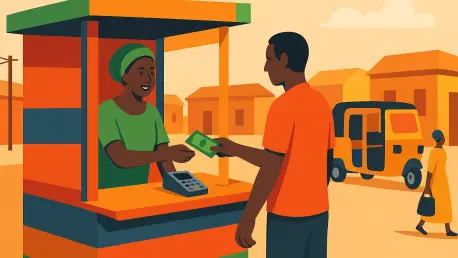
The emergence of fintech solutions and Point of Sale (POS) terminals has also played a primary role in driving this change. Fintech startups have filled the gaps left by traditional banks, offering specialized services that are often faster and more user-friendly. Meanwhile, the ubiquity of POS terminals has brought banking to the street corner, allowing individuals to withdraw cash or pay bills without entering a formal bank building. These alternative channels have become the preferred touchpoints for millions of Nigerians.
Quantifying the Shift: Market Statistics and Growth Projections
Data from the Central Bank of Nigeria highlights a significant contraction in the physical footprint of the banking sector, showing an 8.8 percent decline in physical branch locations from 2022 to 2025. This reduction represents a loss of nearly 500 physical sites across the country, a clear indication that the era of aggressive branch expansion has ended. The closure rate reached a tipping point during the 2024–2025 period, as banks moved decisively to cut costs and streamline their operations in response to shifting market dynamics.
Geographic performance indicators reveal a stark contrast in how different regions are experiencing this contraction. While urban centers and certain states like Ekiti and the Federal Capital Territory have seen sharp reductions in branch numbers, other areas such as Delta and Edo have experienced surprising growth. This suggests that while the national trend is toward contraction, banks are still willing to invest in physical presence in regions where digital infrastructure is still maturing or where there is untapped market potential. These regional variances highlight the complexity of the national banking strategy.
Looking forward, from 2026 to 2028, the industry expects a continued reduction in traditional cash centers as agency banking networks expand. The focus will likely shift from branch closures to branch repurposing, with physical locations becoming hubs for complex financial services rather than routine transactions. Projections suggest that the number of mobile money agents will continue to grow, providing the necessary bridge between the digital world and the physical need for cash. This trend will solidify the position of digital banking as the primary mode of financial interaction in Nigeria.
Navigating the Obstacles of a Post-Branch Banking Era
The transition to a digital-first economy is not without its hurdles, particularly the distance barrier that threatens to marginalize vulnerable populations. Elderly citizens and those living in remote rural areas often lack the technological proficiency or the hardware required to navigate digital platforms. Without physical branches, these groups may find themselves excluded from the formal financial system, creating a new form of financial inequality. Addressing this gap requires a concerted effort from both banks and regulators to ensure that no one is left behind.
Infrastructure reliability remains a significant concern, with internet connectivity and electricity stability being primary bottlenecks for digital platforms. In many parts of Nigeria, frequent power outages and slow data speeds can turn a simple transaction into a frustrating experience. For digital banking to be truly effective, there must be a parallel investment in the nation’s power and telecommunications sectors. Banks are increasingly investing in offline digital solutions and localized servers to mitigate these issues and maintain service continuity for their users.
Maintaining security and trust in an increasingly virtual environment is another critical challenge that banks must overcome. As transactions move online, the risk of cybercrime and data breaches increases, which can erode consumer confidence in digital systems. Financial institutions are being forced to implement sophisticated encryption and multi-factor authentication to protect their customers. Balancing these security measures with a user-friendly experience is essential for fostering long-term trust in the digital banking ecosystem.
The Regulatory Framework and Financial Inclusion Mandates
The Central Bank of Nigeria has been proactive in creating a regulatory environment that supports the transition to a cashless society. Policies aimed at reducing the circulation of physical cash and promoting electronic payments have been central to this effort. By setting high standards for digital transactions and lowering the barriers to entry for fintech companies, the regulator has fostered a competitive and innovative market. These mandates are designed to ensure that the banking sector remains stable even as it undergoes rapid technological change.
Regulatory standards also play a crucial role in overseeing the deployment of agency banking and POS ecosystems. The CBN has established clear guidelines for the operation of these alternative touchpoints to ensure that they are secure and accessible. This oversight is vital for protecting consumers from fraud and ensuring that agents provide fair and transparent services. By legitimizing these informal channels, the regulator has expanded the reach of the formal financial system into areas that were previously underserved.
Compliance with data protection and cybersecurity requirements is a top priority for banks operating in this digitizing market. The government has introduced stricter laws to protect the personal and financial information of citizens, forcing banks to upgrade their data management systems. Adhering to these regulations is not only a legal requirement but also a strategic necessity for maintaining market reputation. The focus on cybersecurity is a testament to the importance of building a secure foundation for the future of digital finance.
The Future Landscape: Embracing the Hybrid Banking Model
As the industry moves away from traditional branch models, physical locations are evolving into specialized hubs for high-value services. These centers will focus on corporate advisory, complex mortgage applications, and wealth management, rather than routine cash deposits. By transforming branches into advisory centers, banks can maintain a physical connection with their most valuable clients while automating the rest of their operations. This hybrid model combines the efficiency of digital platforms with the personalized touch of human interaction.
Potential market disruptors, such as AI-driven customer service and blockchain-based transaction layers, are poised to further redefine the banking experience. Artificial intelligence can provide personalized financial advice at scale, while blockchain technology offers the potential for faster and more transparent cross-border payments. These innovations will likely reduce the cost of banking even further, making financial services more accessible to the mass market. As these technologies mature, they will become integral components of the Nigerian banking infrastructure.
The expansion of alternative touchpoints will bridge the gap between digital systems and the physical cash needs of the population. From 2026 to 2029, the growth of supermarket-based banking kiosks and independent mobile agents will likely accelerate. These touchpoints offer the convenience of a local presence without the high overhead of a traditional branch. This evolution ensures that the transition to a digital economy is inclusive, providing physical access points for those who still require them while encouraging the broader population to embrace digital tools.
Final Assessment of the Modernization Era
The migration from physical banking presence to digital dominance represented a necessary response to the shifting demands of a modernizing economy. Stakeholders found that the traditional brick-and-mortar model was no longer sustainable in the face of rising operational costs and the rapid adoption of mobile technology. The data clearly demonstrated that the contraction of the branch network was a strategic realignment rather than a retreat, allowing banks to focus on scalable digital solutions. This evolution paved the way for a more efficient and resilient financial sector that could better withstand economic fluctuations.
Ensuring inclusive growth required a balanced approach that combined digital innovation with physical accessibility in underserved regions. The role of agency banking and POS terminals was instrumental in maintaining financial touchpoints for those who lived outside urban centers. Policymakers and financial institutions recognized that the success of the digital shift depended on the reliability of the nation’s infrastructure and the strength of its cybersecurity frameworks. By addressing these foundational challenges, the industry moved toward a model that was both modern and inclusive.
The Nigerian financial technology landscape offered significant investment opportunities as the system became increasingly integrated and digital. The growth of alternative banking channels and the repurposing of physical branches into specialized service hubs created new avenues for corporate growth. This era of modernization solidified Nigeria’s position as a leader in African banking innovation, providing a blueprint for other emerging markets. The focus on secure and accessible digital infrastructure remained the cornerstone of the country’s financial stability and future economic prosperity.