
The upcoming launch of the MOIN Card aims to bridge the gap for international students who need a reliable way to pay for essentials before their residency paperwork is processed. As South Korea continues to attract a record-breaking number of visitors, reaching nearly 19 million annually, the friction within the local financial ecosystem remains a significant hurdle for those arriving from abroad. Traditional foreign-issued credit cards often face high decline rates at local terminals, particularly at the ubiquitous self-service kiosks that dominate the retail landscape. To address this, the fintech MOIN secured an Innovative Financial Service designation from the Financial Services Commission. This breakthrough allows the company to issue anonymous prepaid cards with a loading limit of 1 million won, doubling the previous cap. This service provides immediate financial agency to tourists and new students, ensuring they can navigate the local economy without bureaucratic delays.
1. Digital Request and Identity Verification
The process begins with a user-friendly digital onboarding experience facilitated through the MOIN smartphone application. In an era where digital-first solutions are the expectation, this mobile interface allows travelers to initiate their account setup well before they even step foot on Korean soil. By integrating its robust remittance infrastructure into the card issuance workflow, MOIN has created a streamlined portal that handles the complexities of cross-currency management. The application serves as a central hub where users can monitor spending and access support in multiple languages. This proactive approach to financial planning helps alleviate the common stress of initial expenses, such as transportation from the airport. The technological foundation of the app leverages MOIN’s decade of experience in the fintech sector, ensuring a secure and reliable environment for managing personal funds while traveling abroad in 2026.
Following the initial application, users must confirm their identity using a passport, a process that bypasses the need for long-term residency documentation. This specific procedural improvement is a result of the Innovative Financial Service designation, which permits MOIN to verify identities for anonymous prepaid services using only international travel documents. Initially, the company is focusing on the Japanese market, which represents one of the largest demographics of visitors to the country, with over 3.6 million arrivals recorded recently. By removing the need for local residency paperwork, the service opens up the Korean market to a wider range of international participants. This streamlined verification process is a critical component in the company’s broader strategy to expand its wallet and card business across various global regions. It serves as a model for how fintech companies can work within regulatory sandboxes to provide solutions.
2. Physical Retrieval and Funding Procedures
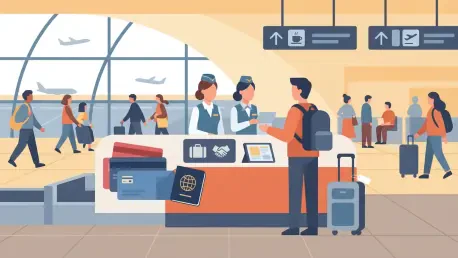
Once the digital verification is complete, users transition to the physical world by collecting their plastic card from a designated pick-up spot, such as a major international airport. While digital payments are widespread, the physical card remains a necessity in South Korea for universal compatibility with the domestic credit card network, especially at local kiosks and smaller shops. These collection points are strategically positioned to ensure that visitors can obtain their payment tool immediately upon landing, providing them with the necessary resources to manage initial lodging costs. This logistical framework is supported by MOIN’s expanding B2B infrastructure, which integrates card distribution into the existing workflows of travel agencies and schools. By placing the physical cards in high-traffic areas and partnering with established service providers, the company ensures the barrier to entry remains low, allowing for a smooth transition to the local economy.
After the physical card is in hand, users can add funds to their balance using several convenient methods, including direct transfers from their home country’s bank accounts. The loading limit has been expanded to 1 million won, a substantial increase that enables users to handle larger expenses such as tuition payments or high-end electronics. This higher limit is particularly beneficial for international students who often struggle with high costs during their first month. In addition to traditional bank transfers, the platform is preparing to support stablecoin top-ups as the global regulatory environment for digital assets becomes more established. This technical flexibility ensures the MOIN Card remains a cutting-edge financial instrument. By providing a secure and versatile way to manage large sums of money without a local bank account, the service enhances the financial autonomy of foreign visitors during their stay, facilitating a much more comfortable travel experience.
3. Merchant Acceptance and Future Payment Trends
The final stage of the process is the actual completion of purchases at local businesses, where the MOIN Card functions exactly like a domestic debit card. This ensures high acceptance rates across the country, from major department stores in Seoul to small cafes in rural provinces, effectively solving the issue of foreign card rejection. Because the card is issued locally, users are not subjected to the fluctuating foreign transaction fees or unfavorable exchange rates associated with cards from their home countries. This transparency in pricing allows travelers and students to budget more effectively and avoid hidden costs. The integration into the domestic payment network also means that the card can be used at self-service kiosks, which have become the standard for ordering in most Korean eateries. By providing a localized payment experience, MOIN effectively bridged the gap between the visitor and the local merchant, making every transaction as simple as it would be for a native resident.
The successful implementation of the MOIN Card system provided a clear roadmap for addressing the unique financial challenges faced by international visitors. By securing a regulatory sandbox designation, the initiative demonstrated the power of public-private collaboration in fostering an inclusive economic environment. Travelers who utilized this service found that it eliminated the significant stressors of international relocation, allowing them to focus on their primary goals of study or exploration. For the broader fintech industry, the rollout suggested that the future of travel finance lied in localized prepaid solutions. Stakeholders in the tourism and education sectors were encouraged to integrate these financial tools into their own service offerings to enhance the overall visitor experience. As the infrastructure continued to expand into new markets, it laid the groundwork for a truly borderless financial ecosystem. The initial success proved that innovative payment solutions could significantly revitalize the tourism industry.