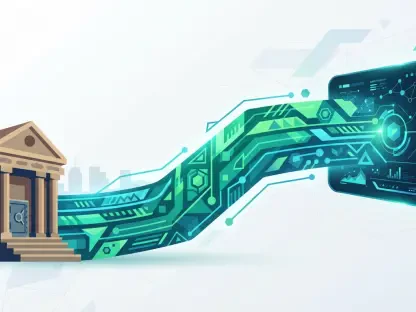

The seamless flow of funds from primary savings accounts to GoPay balances through the BRImo app allows users to fund ride-hailing and food delivery services instantly. This specific technological convergence signals a major shift in how Indonesian consumers interact with financial institutions in 2026. Historically, top-up processes involved cumbersome steps, often requiring physical visits to ATMs or retail outlets that interrupted the natural flow of a user’s day. However, PT Bank Rakyat Indonesia (Persero) Tbk has successfully dismantled these barriers by making the mobile interface the primary touchpoint for all economic activity. In regions like Bojonegoro, this shift is transforming daily routines, as the local population moves away from cash reliance toward a sophisticated digital-first economy. This transition reflects a broader national strategy to digitize small-scale commerce and personal finance, ensuring that even remote areas are included in the country’s rapid modernization efforts. By facilitating instantaneous liquidity transfers, the platform empowers consumers to navigate their daily requirements with unprecedented ease and financial agility.
Bridging the Gap: The Evolution of Seamless Transactions
The evolution of this partnership centers on the concept of banking at your fingertips, ensuring that a user’s primary financial repository is always synchronized with their active spending tools. By embedding GoPay functionality directly within the BRImo application, the institution has effectively eliminated the friction that once hindered the widespread use of digital payment systems. In the past, the need to manage multiple apps or maintain cash reserves for manual top-ups created a segmented experience that discouraged consistent digital usage. Today, the direct connection between a savings account and a digital wallet allows for the immediate execution of transactions, whether for essential household services or professional needs. This seamlessness is essential for maintaining productivity in a society that increasingly relies on real-time service delivery. The bank’s strategy acknowledges that modern consumers view their financial tools as extensions of their mobile identity, requiring a high level of integration and reliability to function effectively.
Holistic Management: Transcending Simple Fund Transfers
Beyond the simple movement of capital, modern banking applications are functioning as centralized hubs for comprehensive financial management and proactive wealth monitoring. BRImo provides a transparent ecosystem where every transaction is meticulously logged, offering users a level of oversight that is impossible to achieve through cash-based exchanges. Every top-up and retail payment is reflected in a digital history that serves as a powerful budgeting tool for families and professionals alike. This integration directly addresses the high mobility requirements of the current public, ensuring that financial data is as accessible and dynamic as the individuals who generate it. By consolidating these records, the platform helps users identify spending patterns and adjust their behaviors to meet long-term savings goals. The transition from fragmented accounting to a unified digital ledger represents a significant leap forward in financial literacy and individual empowerment, allowing for more disciplined and informed economic participation across all segments of the population.
Ecosystem Retention: Minimizing Friction in the Consumer Journey
The consolidation of various financial features, including utility payments, credit purchases, and detailed balance inquiries within one interface, significantly reduces the necessity for app switching. This streamlined design fosters a more cohesive user experience, which is a major factor in driving long-term digital adoption and customer satisfaction. When every financial necessity is housed within a single, secure environment, the cognitive burden on the consumer is greatly reduced, leading to more efficient daily management. As smartphones continue to serve as the primary gateway for commerce in 2026, the ability to fund these transactions in real-time prevents any disruption in the consumer journey. This makes the banking process an invisible yet foundational element of modern life, supporting a wide array of activities from retail shopping via QRIS to recurring bill settlements. The bank’s commitment to creating a frictionless environment has redefined the relationship between the customer and their financial provider, making banking an integrated part of the lifestyle.
Security Architecture: Balancing Convenience with Vigilance
While the focus remains on ease of access, the shift toward a digital-first banking model necessitates a rigorous approach to security and personal responsibility. Both the financial institution and the end-user must operate as partners in safeguarding the integrity of every transaction. Consumers are urged to verify destination details and transaction amounts with extreme care before confirming any transfer to prevent avoidable errors. To combat the sophisticated methods used in financial fraud, maintaining the absolute confidentiality of Personal Identification Numbers and One-Time Passwords is a non-negotiable requirement for every user. Avoiding interactions with suspicious links or unverified third-party software is also essential for maintaining the security of the digital ecosystem. The bank has deployed advanced encryption protocols, yet the human factor remains the most critical link in the defensive chain. By practicing disciplined digital hygiene, users can enjoy the benefits of integrated banking without exposing their personal assets to unnecessary risks.
Strategic Pathways: Enhancing Digital Financial Resilience
Individuals who successfully integrated these digital tools into their routines found that their financial agility reached new heights during this period of economic transition. The most effective users prioritized the implementation of multi-factor authentication and maintained a strict schedule for monitoring their digital transaction histories. Experts suggested that consumers should have utilized the automated budgeting features more aggressively to capitalize on the transparency provided by the BRImo interface. The transition toward a cashless society in Indonesia proved that the convergence of banking and fintech was the most viable path for long-term financial inclusion. Looking forward, the next logical step involved the expansion of these seamless protocols to include international merchant networks and more specialized investment platforms. By embracing these advancements, the public established a more resilient financial foundation that was capable of adapting to market fluctuations. The integration of these services ultimately transformed banking from a stationary destination into a mobile, ubiquitous resource.