
Bangkok Bank recently underscored its profound commitment to the nation’s agricultural backbone with its 18th annual “Modern Agriculture Fair 2025,” an influential event designed to propel Thai farmers toward a more technologically advanced and sustainable future. Centered on the theme “Thai farmers: from technology to sustainability,” the initiative was a meticulously orchestrated affair that blended a vibrant commercial marketplace with a prestigious awards ceremony and an insightful educational seminar. The presence of the bank’s highest leadership, including Executive Chairman Mr. Singh Tangtatswas and President Chartsiri Sophonpanich, signaled the deep institutional investment in the project’s success. The fair’s primary mission was to reinforce the bank’s long-standing position as an indispensable partner to the agricultural community, actively facilitating the adoption of cutting-edge technologies and sustainable methodologies to secure the sector’s long-term prosperity and competitiveness on the global stage. This comprehensive approach aims to create a resilient ecosystem where innovation and tradition converge to build a stronger agricultural economy for Thailand.
A Confluence of Commerce and Vision
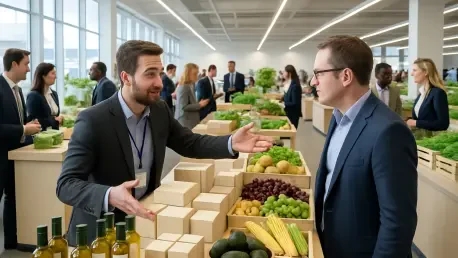
The event transformed Bangkok Bank’s head office on Silom Road into a bustling marketplace, providing a direct-to-consumer platform for 58 carefully selected entrepreneurs to showcase their premium, export-quality agricultural products. Strategically timed to align with the New Year festival, the fair successfully encouraged consumers to purchase high-quality local goods as gifts, thereby boosting sales and brand visibility for the participants. The array of products on offer was a testament to the innovation currently shaping modern Thai agriculture. Visitors could explore a diverse range of items, from specialty low-carbon coffee and fresh, processed strawberries to unique products derived from avocado oil. The marketplace also featured elegant orchids, convenient ready-to-eat fried fish, processed pork, traditional grilled Northern Thai sausage, and innovative vegetable tofu. This wide selection not only highlighted the sector’s impressive capabilities in producing raw goods but also demonstrated its growing sophistication in creating value-added processed products that meet modern consumer demands.
The strategic vision underpinning the fair was articulated by Bangkok Bank Executive Director Mr. Pichet Durongkaveroj, who reflected on the institution’s 81-year history of unwavering support for the nation’s agricultural sector. He positioned the event as a powerful symbol of the bank’s commitment to being a “trusted partner and reliable close friend,” dedicated to cultivating sustainable development in close collaboration with farmers. A central theme of his address was the critical need for Thai farmers to embrace innovation as an essential strategy for competing effectively in the international marketplace. This vision extends beyond simple financial support, encompassing a holistic approach that equips farmers with the knowledge, tools, and market access required to navigate the complexities of the modern global economy. The bank’s initiative is therefore not just an event, but a long-term investment in the resilience and future growth of Thai agriculture, ensuring that farmers are prepared to meet both current challenges and future opportunities head-on.
The Technological Blueprint for Modern Farming
A core focus of the initiative was the active promotion of key technological and methodological advancements designed to transform agricultural practices. The bank placed significant emphasis on precision agriculture, a data-driven methodology that empowers farmers to optimize resource use with remarkable efficiency. By implementing these advanced techniques, farmers can achieve a substantial reduction in fertilizer and pesticide costs, estimated at 15-40%, while simultaneously boosting crop yields by an impressive 10-30%. Furthermore, the program stressed the critical importance of adhering to stringent international standards to unlock access to global markets, specifically highlighting the necessity of obtaining certifications such as Good Agricultural Practices (GAP) and Carbon Footprinting. The fair also championed groundbreaking innovations in agro-processing, including advanced food preservation techniques through food tech and the adoption of low-cost, community-level machinery to significantly enhance productivity and add value to raw agricultural products.
To further empower farmers, the bank advocated for the widespread adoption of sophisticated digital platforms to improve market access and strengthen pricing power. This digital push includes the strategic use of Artificial Intelligence (AI) to perform in-depth analyses of market demand and pricing trends, providing farmers with actionable insights to inform their business decisions. Additionally, the initiative promoted the implementation of blockchain technology to create transparent and immutable records, ensuring complete product traceability from farm to table and thereby building crucial consumer trust and brand loyalty. Dr. Pichet also highlighted the transformative potential of biotechnology in developing new crop varieties that are inherently resistant to drought and disease, a critical adaptation in the face of a changing climate. This comprehensive technological focus was seamlessly integrated with the principle of sustainability, with a strong emphasis on reusing agricultural waste to minimize environmental impact, aligning with global efforts to mitigate greenhouse gas emissions and transition towards a zero-waste, circular economy.
Celebrating Pioneers and Charting the Future
A central highlight of the event was the Modern Agriculture 2025 award ceremony, which honored farmers who have demonstrated exceptional success in integrating technology and innovative practices into their operations. The awards were presented across three distinct categories, each celebrating a different facet of agricultural excellence. The award for Outstanding Digital Technology Adoption was presented to Mr. Nanthiwat Pattanasakpinyo of Pattanasak Plantation, who was recognized for his pioneering use of GPS land leveling technology across his 2,600-rai plantation. This method optimizes land slopes for precise irrigation, eliminating waterlogging and achieving superior resource management. The award for Outstanding Agricultural Supply Chain Management was given to Miss Jaruwan Natinwirun of Thaitea Suwirun, whose company has built a robust organic tea network involving over 1,500 farmers, creating a harmonious balance between business, community, and the environment. Finally, the Outstanding Young Farmer award was bestowed upon Mr. Chatchai Deesawat of Lemon Me Farm for his comprehensive lemon farming business, which incorporates agri-tourism and a pioneering zero-waste model.
The fair was further enriched by the Modern Agriculture 2025 seminar, which provided an invaluable educational platform where experts delivered critical guidance on navigating the complex landscape of global trade and technology. The sessions covered highly relevant topics, including a presentation by Mr. Chanintr Chalisarapong on how Thai agricultural products can adapt to the Thailand-US Tariff Trade Agreement to remain competitive. Mr. Poonpipope Kasemsap from Kasetsart University spoke on the burgeoning field of “Carbon Farming,” outlining opportunities for farmers to tap into new revenue streams through sustainable practices. Finally, Mr. Preesan Rakwatin of the Digital Economy Promotion Agency (DEPA) delivered a forward-looking presentation on how Agri-Tech can transform Thai agriculture and mitigate risks. Having started in 1999, the Modern Agriculture project concluded its latest iteration by successfully continuing its mission to equip Thai farmers with the essential knowledge and tools needed to adapt to continuous shifts in technology, market dynamics, and consumer behavior, ensuring their capacity for sustainable and prosperous growth.